Power flushing in Norwich
Radiators cold at the bottom and a boiler that sounds like a kettle? The system needs a flush, not a new boiler
A power flush clears the black sludge that builds up in a central heating system over years, restores the flow to every radiator, and protects the boiler. For homes across Norwich and the surrounding towns, with the water tested before and after.
Five-star ratedby homeowners and landlords
- Cold radiators heated through
- Boiler protected
- Water tested before and after
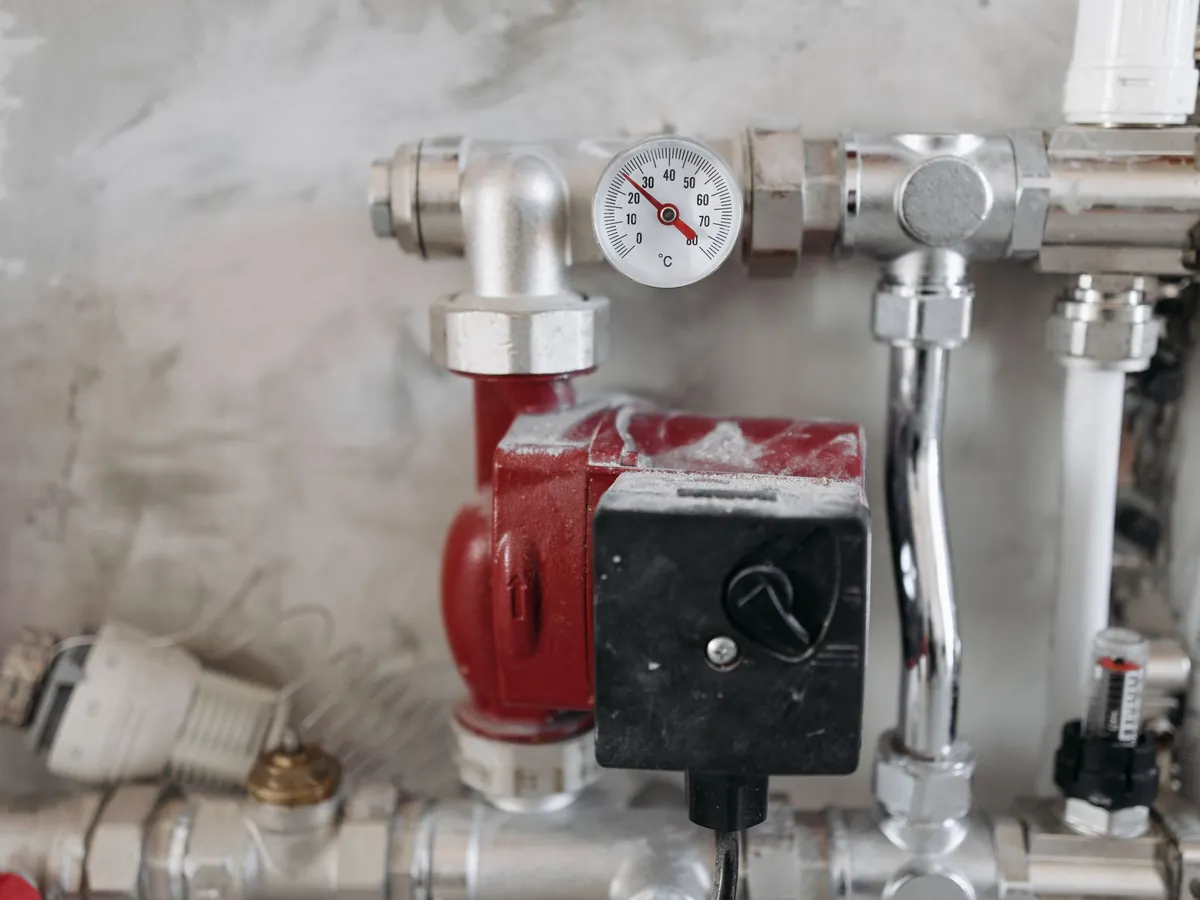
What Norwich homeowners say after the system has been flushed
Central heating water goes round and round the same pipes for years, and as it does it corrodes the inside of the steel radiators. The result is magnetite, a fine black sludge that settles in the bottom of radiators, collects in the boiler's heat exchanger and clogs the pump. The symptoms are familiar: radiators warm at the top and cold at the bottom, some rooms never heating, a boiler that bangs and rumbles, black water when a radiator is bled, and a system that costs more to run every winter.
A power flush connects a high-flow pump to the system and pushes cleaning chemicals through it at a rate the boiler's own pump cannot manage, radiator by radiator, until the water runs clear. The system is then refilled, dosed with inhibitor to slow the corrosion starting again, and usually fitted with a magnetic filter to catch what forms anyway.
This page explains when a flush is the right fix and when it is not. It is often the first thing to do before a new boiler goes on an old system, and it is frequently the real answer to what was booked as a radiator repair. Power flushing is available across every town on the areas list.
What power flushing is
A purpose-built flushing pump is connected to the heating system, typically at the pump or across a radiator tail, and the system is run with a cleaning chemical in the water at a much higher flow rate than normal. Each radiator is isolated and flushed in turn, with the flow reversed to dislodge what has settled, and the dirty water is dumped to a drain while clean water replaces it. It is finished when the water coming out of every radiator runs clear and tests within the acceptable range for cleanliness. The whole thing takes most of a day on a typical house.
Signs your heating system needs a flush
- Radiators hot at the top and cold at the bottom, or cold in the middle.
- Some radiators never get warm, however long the heating runs, particularly the lowest ones or those furthest from the boiler.
- Black or brown water when a radiator is bled.
- The boiler banging, rumbling or kettling.
- Frequent bleeding needed, because the corrosion produces gas.
- The pump running hot or failing, or the boiler heat exchanger blocking.
- The house taking far longer to warm up than it used to.
One or two of these might be a balancing issue. Several together, on a system more than ten years old that has never been flushed, are sludge.
How the power flushing process works
The system water is tested first so there is a record of its condition. The flushing pump is connected and the chemical circulated to loosen the deposits. Each radiator is then flushed individually, with the flow reversed and the radiator agitated to shift the sludge from the bottom, until the water from it runs clear. The boiler and the pipework are flushed the same way. The chemical is neutralised and rinsed out, the system refilled, and inhibitor added at the right dose. A magnetic filter is fitted on the return if there is not one. The water is tested again and the readings recorded on the paperwork.
Problems a power flush can fix
Cold spots and cold radiators caused by sludge, boiler noise caused by deposits on the heat exchanger, slow warm-up, pump strain and the repeated need to bleed radiators. It also protects a new boiler going onto an old system and is a condition of most manufacturers' guarantees for that reason.
What it cannot fix is a radiator that is cold because a valve is closed or an air lock is trapped, a system that was never balanced, or a radiator that has corroded through and needs replacing. Those are checked before a flush is recommended, and if the problem is one of them you are told so.
Power flushing costs and what affects the price
The price is set by the size of the system, mainly the number of radiators, and by how heavily it is sludged, which decides how long the flush takes and how much chemical it needs. A magnetic filter, if one is fitted at the same time, is priced separately and named on the quote. A radiator that turns out to be blocked solid and has to be replaced rather than flushed is quoted before it is done. The price is agreed on the call back from the radiator count and confirmed on the day.
Boiler and radiator protection after flushing
A flush cleans the system; it does not stop corrosion starting again. Inhibitor in the water slows it right down, and it needs checking every year and topping up when the system is drained for any reason. A magnetic filter on the return pipe catches the magnetite before it reaches the boiler and is cleaned at the annual service. Together they keep a flushed system clean for many years; without them it is back to where it was in five.
Urgent flushes
A flush is rarely an emergency on its own, but it is sometimes the thing standing between a house and its heating: a boiler that keeps overheating and locking out because the heat exchanger is blocked, or a new boiler that the installer will not commission until the system is clean. In either case say so on the form and the visit is arranged accordingly.
Book a power flush
The form asks for the number of radiators, the age of the system, whether the boiler is a combi or has a cylinder, and what the symptoms are. That is enough to price the flush and set aside the right amount of time. If the symptoms suggest something other than sludge, that is said on the call back before anything is booked.
Radiator count and symptoms
How many radiators, how old the system is, and what it is doing. The price follows from that.
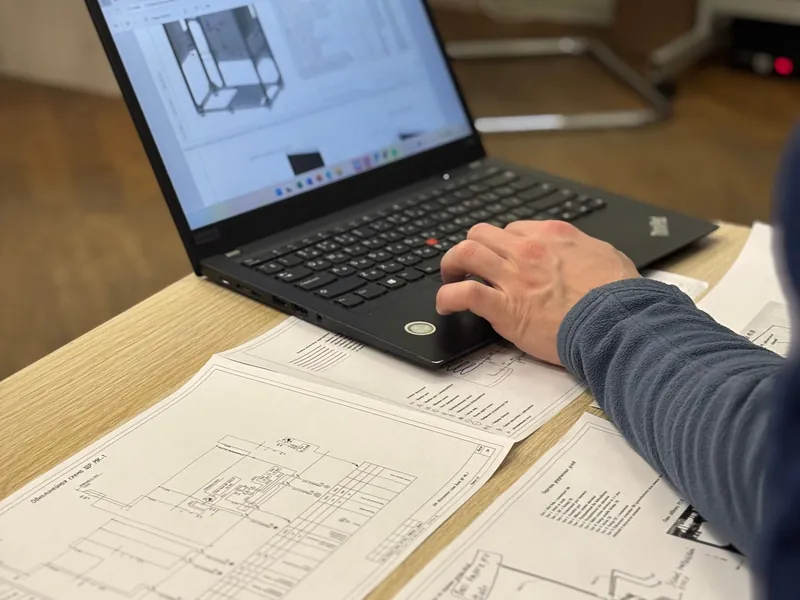
Water tested and pump connected
A sample taken and recorded, the flushing pump connected, the cleaning chemical circulated.
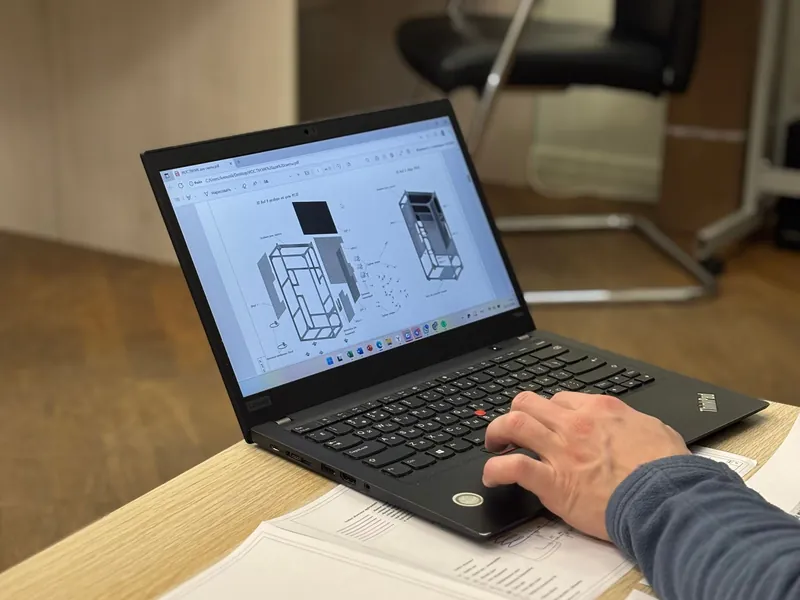
Radiator by radiator
Each one flushed with reversed flow until it runs clear, then the boiler and the pipework.
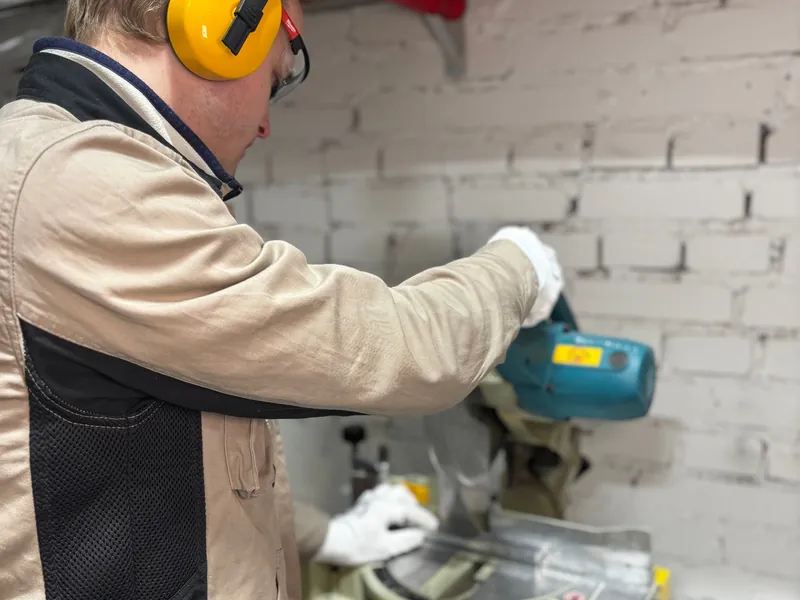
Refill, dose, filter, test
Clean water, inhibitor at the right dose, a magnetic filter fitted, the water tested again and the readings recorded.
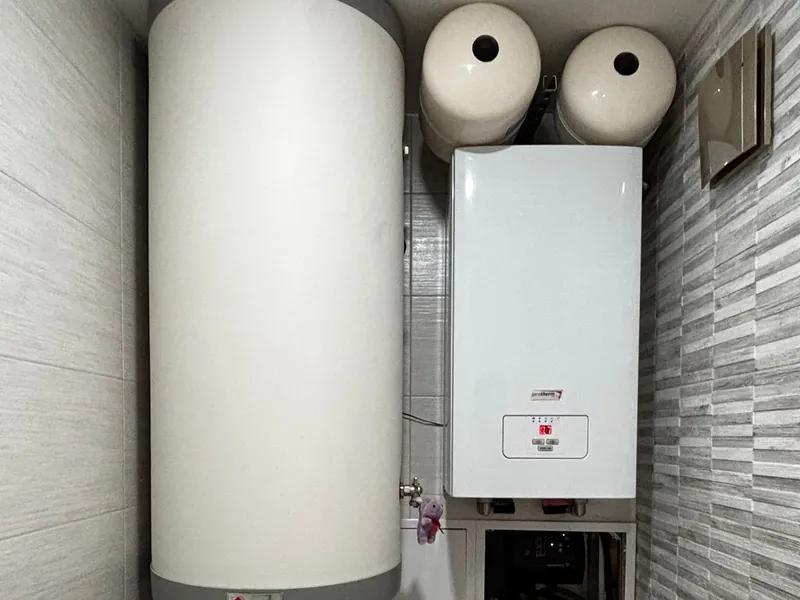
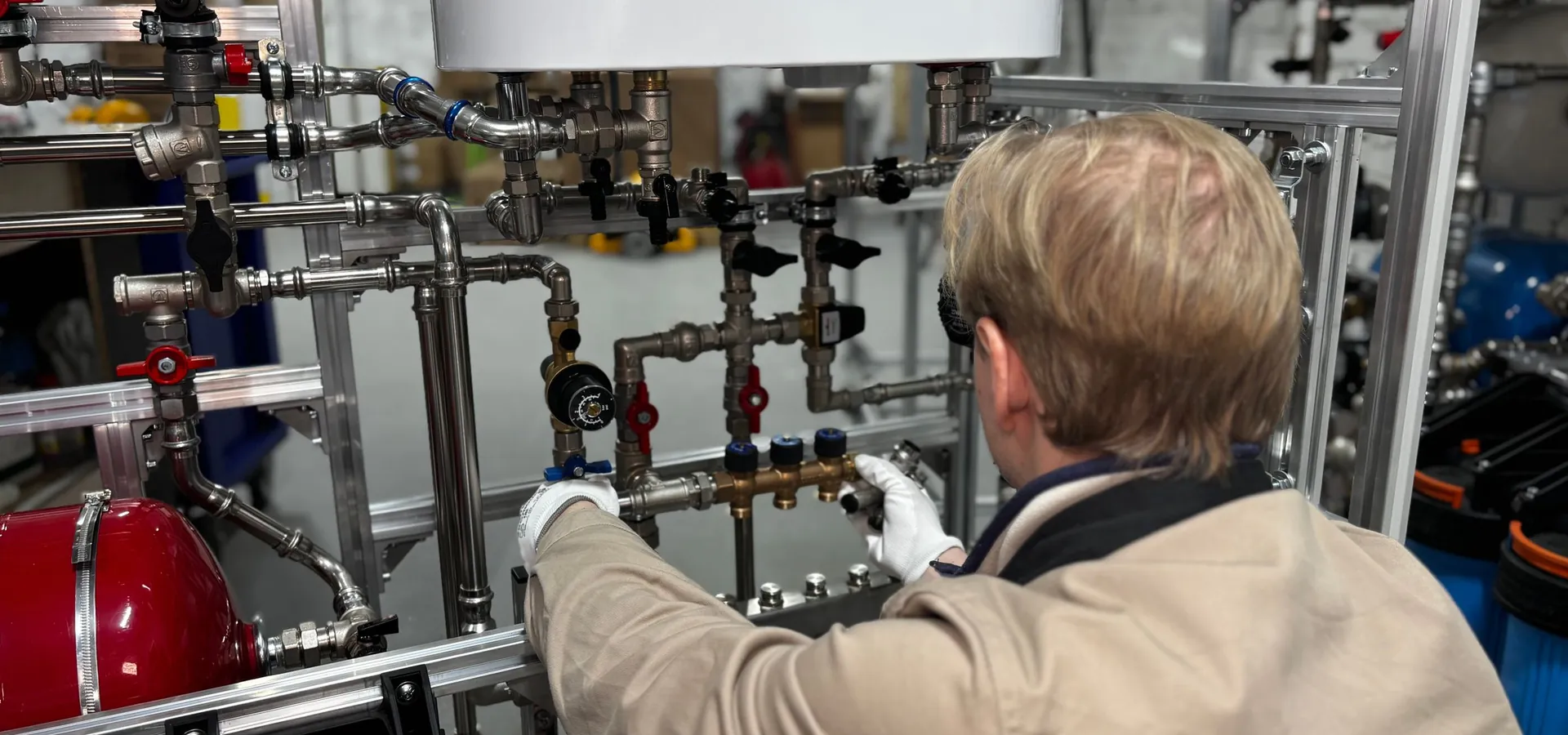
Ready when you are
Cold radiators, black water or a boiler that bangs? Get the system flushed
Tell us how many radiators there are and what they are doing. You get a call back to arrange the visit and the price.
On the tools
Power Flushing: the kind of work behind the page
Four from the gallery. The full set is on the home page, and every photo opens full size.
Where we work
Power flushing across Norwich and the surrounding towns
Older systems in the city terraces and the post-war estates, and any house about to have a new boiler. Every town within twenty miles.
The larger towns in the area
- Norwich
- Great Yarmouth
- Bowthorpe
- East Dereham
- Beccles
- North Walsham
- Diss
- Attleborough
Related
Jobs that often go with this one
One visit often covers two of these. Mention both on the form and the price covers the lot.
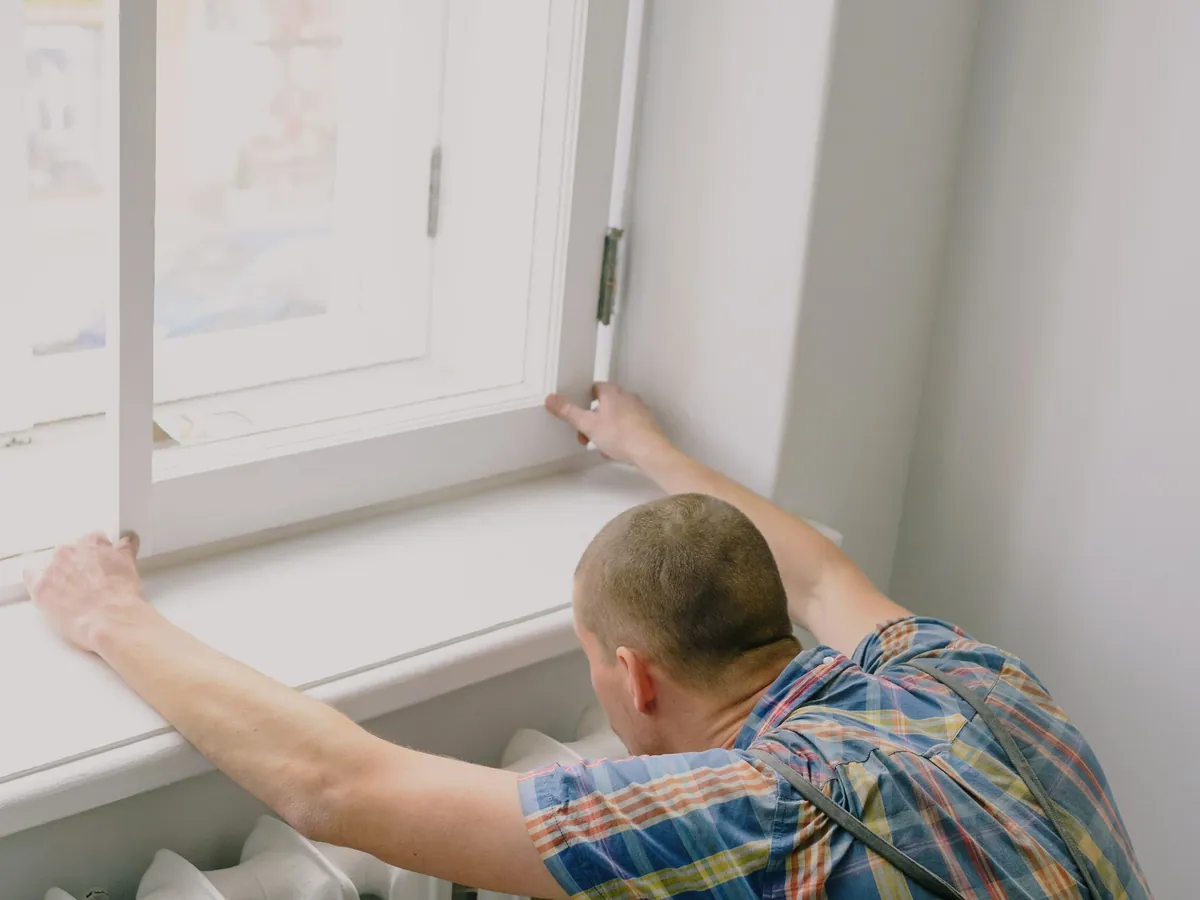
Radiator Repair
Leaking valves, radiators cold at the bottom, replacements, new radiators for extensions and thermostatic valves fitted so each room can be set on its own.
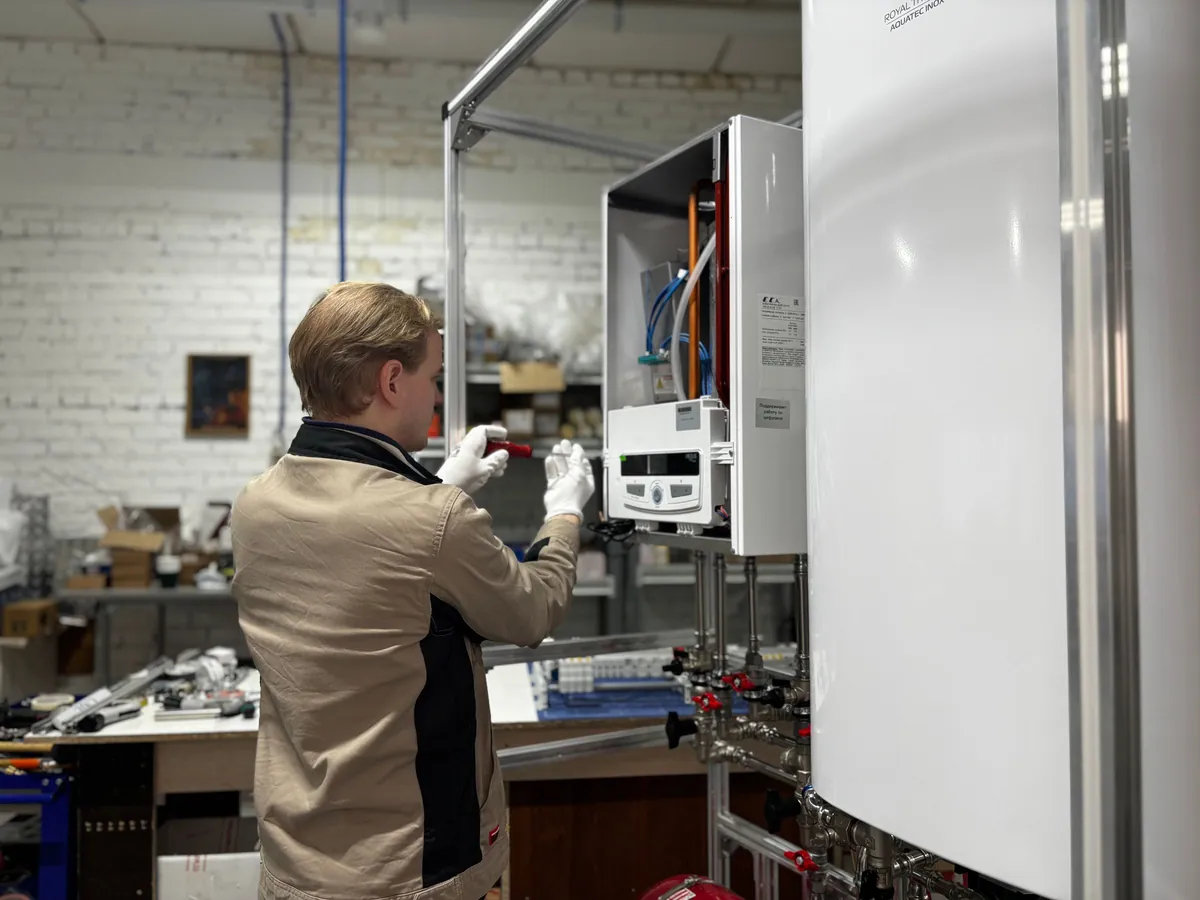
Boiler Installation
A new boiler sized to the house rather than to the old one, with the system flushed, the controls set up and the paperwork registered when it is done.
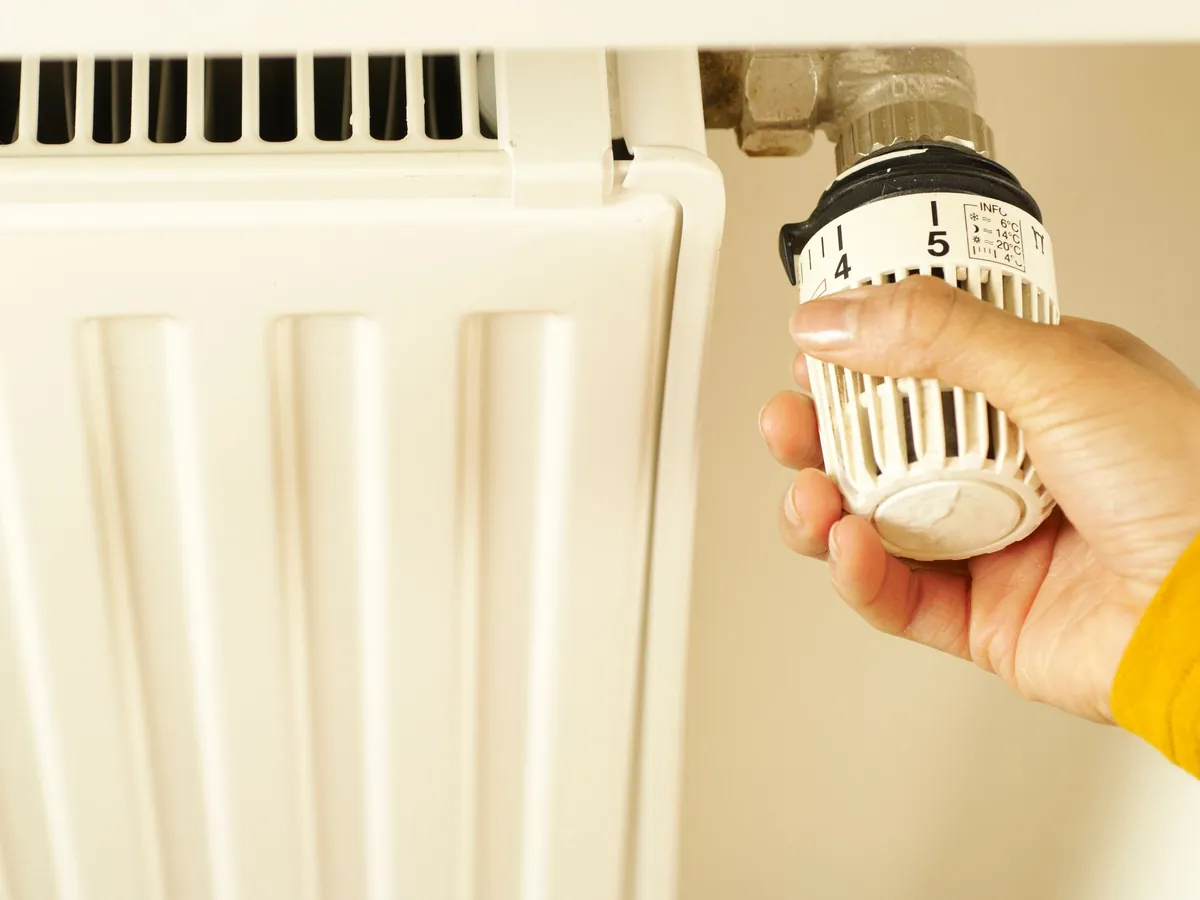
Central Heating Installation
Full central heating systems for houses that have none, plus new pipework, radiators and controls where an old system has reached the end of its useful life.
Questions
Power Flushing: the questions people ask first
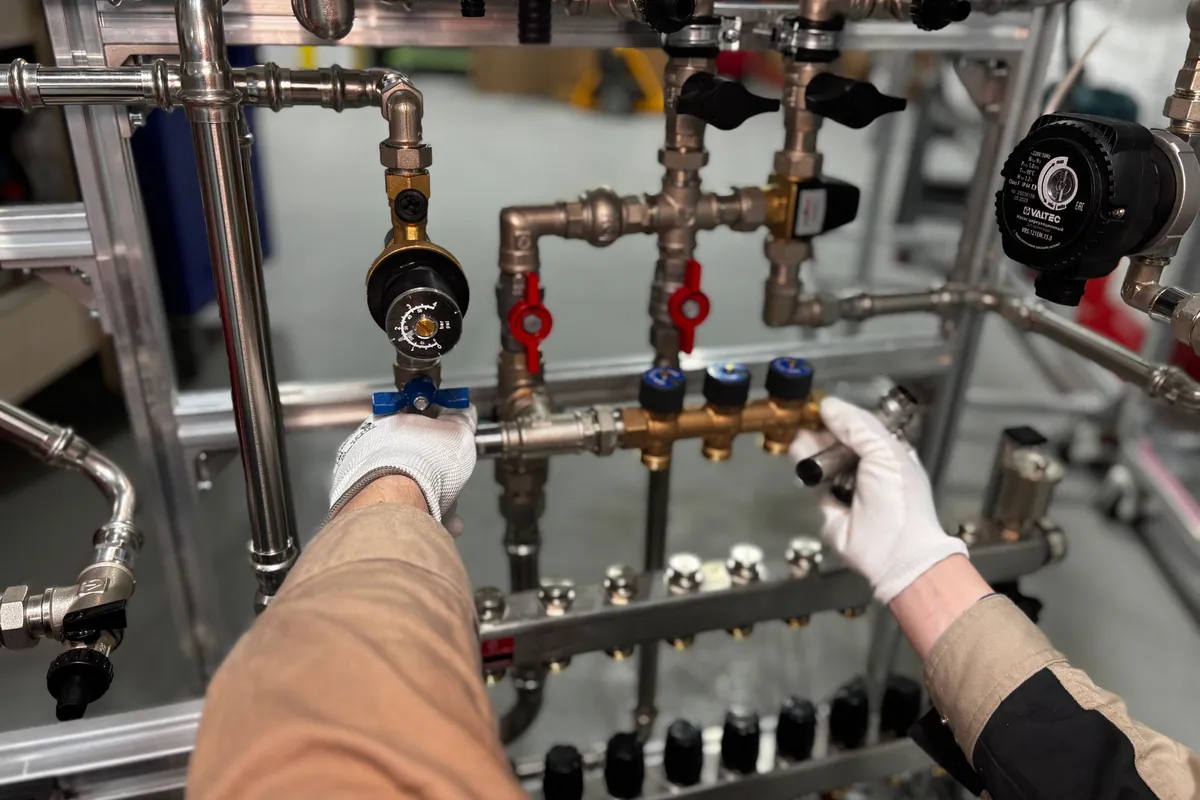
How do I know it is sludge and not a balancing problem?
Sludge shows as radiators cold at the bottom and black water when bled. Balancing shows as the radiators nearest the boiler hot and the far ones lukewarm, with clear water. The visit checks both before recommending a flush.
Can a power flush damage old radiators or pipes?
A flush at the right pressure is safe on a sound system. Where a radiator or a joint is already corroded through, the flush can reveal it rather than cause it, which is why the system is inspected first and any weak point mentioned before starting.
How long does a power flush take?
Most of a working day for a house with eight to twelve radiators. Larger or heavily sludged systems can take longer.
Do I need a flush before a new boiler?
Yes, in almost every case. Manufacturers require the system to be cleaned before their boiler is fitted, and a new boiler on a dirty system fails early. A lightly used system may only need a chemical clean; a sludged one needs a power flush.
How often should a system be flushed?
With inhibitor kept topped up and a magnetic filter cleaned annually, a flushed system should not need doing again for many years. Without them, sludge returns within a few.
Will the flush fix my noisy boiler?
If the noise is kettling from deposits on the heat exchanger, usually yes. If it is a failing fan or pump bearing, no, and that is diagnosed before the flush is booked.
Anything not covered here is answered on the contact page, where the same form takes the details and someone calls you back.
Quick Quote Online
Five-star ratedby homeowners and landlords
Tell us how many radiators and what they are doing
Radiator count, system age, combi or cylinder, and the symptoms. The call back confirms the price and books the day.
- A written price before any work starts
- Plumbing, heating, drains and bathrooms from one enquiry
- Norwich and every town within twenty miles