Central heating engineer in Norwich
A house with no central heating, or a system that has quietly given up? Designed and fitted properly
Full central heating installation for Norwich homes, from a house heated by storage heaters or a single gas fire to one whose radiators and pipework have reached the end. Plus repairs, upgrades and controls for systems that just need bringing up to date.
Five-star ratedby homeowners and landlords
- Full systems from a heat-loss survey
- Radiators, pipework and controls
- Repairs and upgrades too
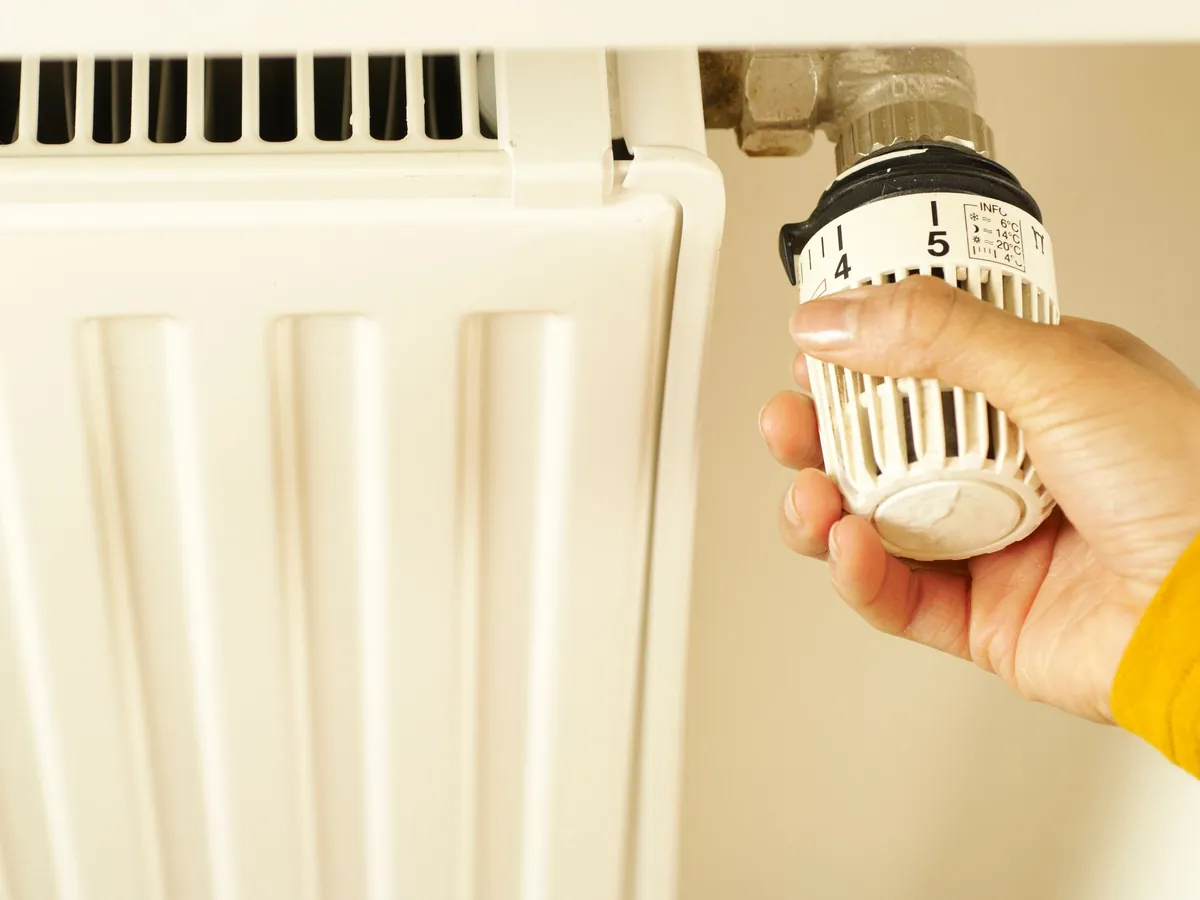
What Norwich homeowners say once the whole house heats evenly
Some Norwich houses still have no central heating at all: flats above shops heated by electric panels, cottages in the villages with a back boiler and a couple of radiators, houses where a previous owner ripped the system out. Others have a system that was fitted forty years ago, extended twice, and now has a boiler that struggles, radiators that never get warm at the far end and pipework that clanks.
A central heating installation starts with the house, not the boiler. Every room is measured for its heat loss, which sets the radiator sizes, and the pipework is planned so the water reaches every radiator at the same rate. The boiler is then chosen to match the total, with the controls that let it run at the low temperatures it works best at. That is a day's survey and design before a week's work, and it is the reason the finished system heats the back bedroom as well as the lounge.
This page covers full and partial installations and the repair and upgrade work on existing systems. The boiler on its own is dealt with on the new boiler page; individual radiators on the radiator repair and replacement page. Heating systems are installed across every town on the areas list.
Central heating repairs and breakdown help
Not every heating problem is a new system. Radiators cold in one part of the house, a system that takes hours to warm up, a pump that runs constantly, a motorised valve stuck so the hot water heats when the heating is called: these are repairs to the system around the boiler, and they are diagnosed in the same way as a boiler fault, with the cause found before anything is replaced. A great many "the heating does not work" calls end in a motorised valve, a pump or a thermostat rather than anything bigger.
Boiler servicing and annual maintenance
A heating system needs looking at once a year as well as the boiler: the inhibitor level in the water checked and topped up, the magnetic filter cleaned, the expansion vessel charged, the radiators bled and the balancing checked. Done alongside the annual boiler service it adds little to the visit and it is what keeps a system from sludging up between flushes.
Central heating installation and boiler replacement
A full installation covers the lot: the boiler and flue, the pipework in a layout that suits the house (two-pipe throughout, sized for the flow each radiator needs), radiators sized from the room-by-room heat loss and positioned where they work rather than where the old ones were, thermostatic valves on every radiator except the one in the room with the thermostat, a programmable thermostat or a smart control, a magnetic filter, and the system filled, dosed with inhibitor, balanced and commissioned.
A partial installation extends an existing system into an extension or a loft, or replaces the pipework and radiators while keeping a boiler that is still sound. The survey says which parts of the existing system are worth keeping.
Power flushing, controls and heating upgrades
The upgrades that make the biggest difference to an existing system are usually the cheapest. A power flush clears the sludge that stops radiators heating through. Thermostatic radiator valves let each room be set on its own. A modern programmable or smart thermostat, with the boiler running on weather compensation where it supports it, cuts gas use more than any single radiator change. Balancing, which most systems have never had done, evens out the heat across the house. All of these are offered as separate jobs where a full installation is not needed.
Heating diagnostics and fault finding
A heating fault is traced in a fixed order: the boiler is confirmed to be firing and reaching temperature, the pump is confirmed to be moving water, the motorised valves are confirmed to be opening on demand, the controls are confirmed to be calling, and then the radiators and pipework are checked for air, sludge and balancing. Each step is a test, not a guess, and the answer is explained with the price to fix it before it is fixed. Gas work within that is carried out by a registered gas engineer, as the law requires.
Emergency call-outs
A heating system down in cold weather with vulnerable people in the house is urgent, and the form has a place to say so. The first aim is to get heat into the house, even if that is a temporary measure while a part is ordered. Emergency requests are taken day and night across the whole area.
How the work is priced
Repairs and upgrades are priced as a visit plus the parts, agreed on the call back and confirmed once the fault is found. A full or partial installation is a written price after the survey covering design, materials, labour, commissioning and paperwork, with the radiator schedule and the boiler named so you can see exactly what is included. Annual maintenance can be arranged as a standing yearly visit so the reminder comes from us.
How a job runs
How a central heating installation runs
A day of survey and design, then the installation in a planned order.
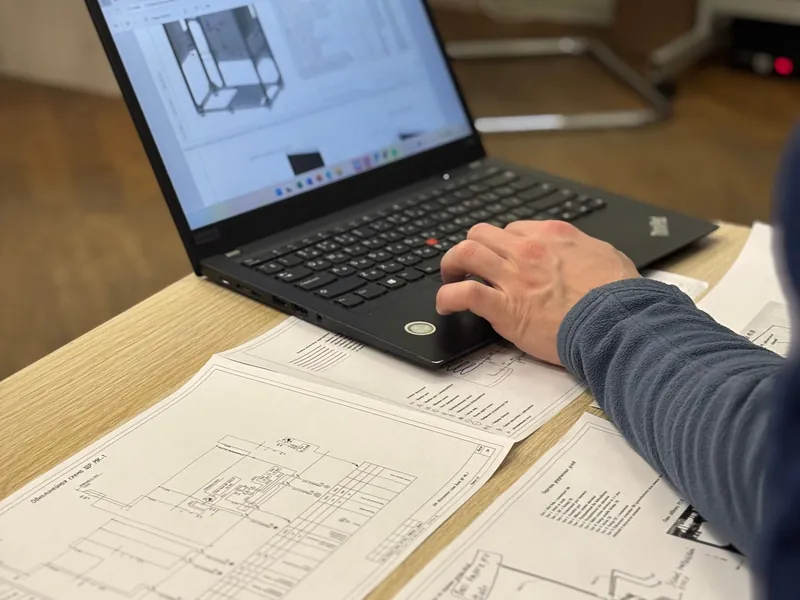
Heat-loss survey
Every room measured, the construction and glazing noted, the existing system inspected for what can stay.
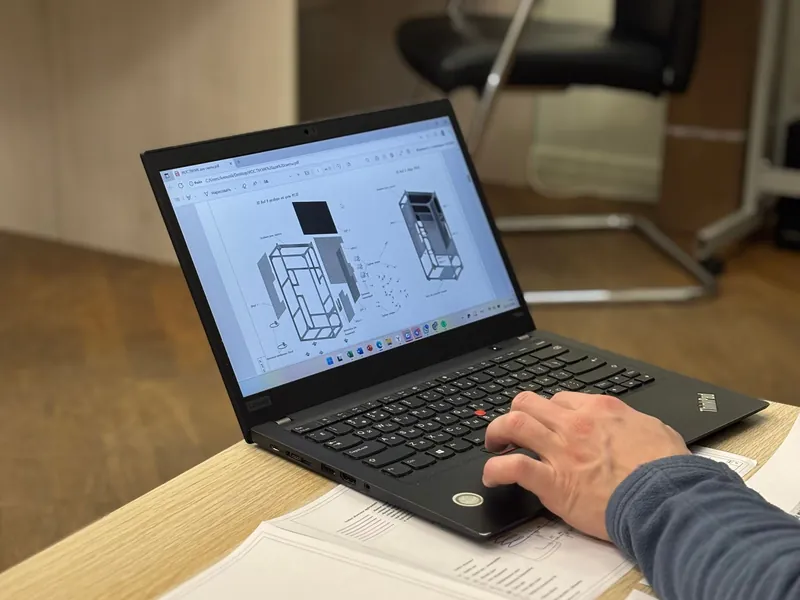
Design and written price
Radiator schedule, pipework layout, boiler and controls, with the price for the whole job.
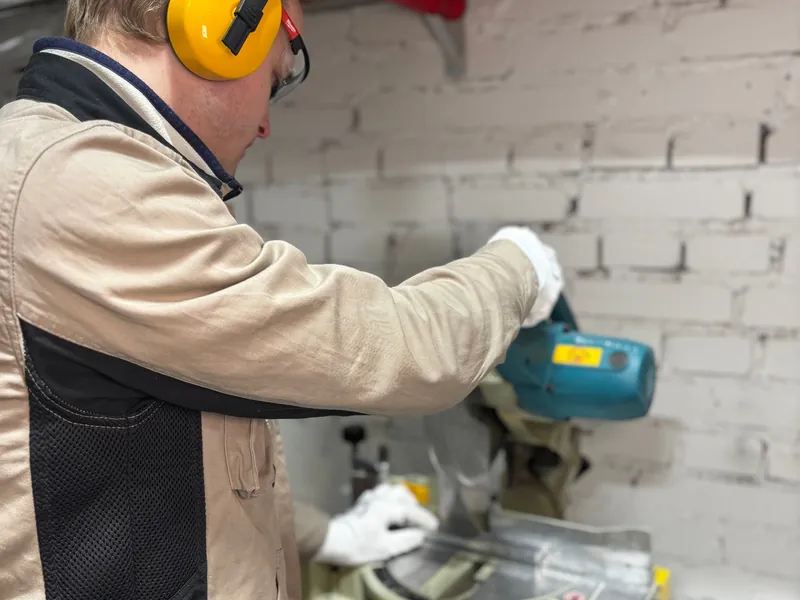
Installation
Pipework first, radiators hung, boiler and flue fitted, system filled and dosed. Floors and carpets lifted and relaid as they were.
Balance, commission, hand over
Every radiator balanced, controls set and explained, the system logged and the paperwork left with you.
Ready when you are
No central heating, or a system that has never heated the whole house?
Describe the house and what it has now. You get a call back to arrange the survey and a written design and price after it.
On the tools
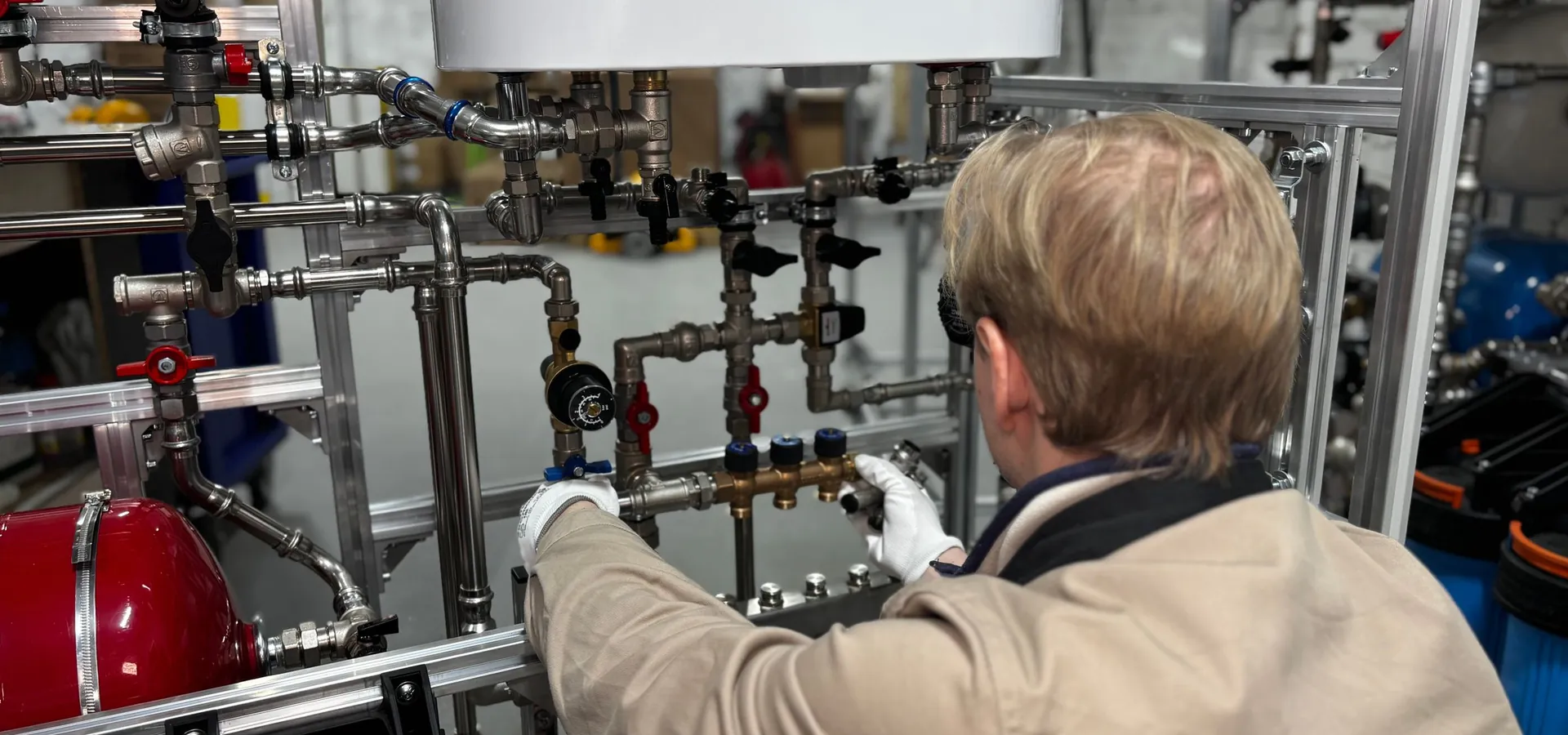
Central Heating Installation: the kind of work behind the page
Four from the gallery. The full set is on the home page, and every photo opens full size.
Where we work
Central heating across Norwich and the surrounding towns
Flats and terraces in the city, village cottages with no gas main, and post-war estates where the original system is due for replacement. The whole twenty-mile radius.
The larger towns in the area
- Norwich
- Great Yarmouth
- Bowthorpe
- East Dereham
- Beccles
- North Walsham
- Diss
- Attleborough
Related
Jobs that often go with this one
One visit often covers two of these. Mention both on the form and the price covers the lot.
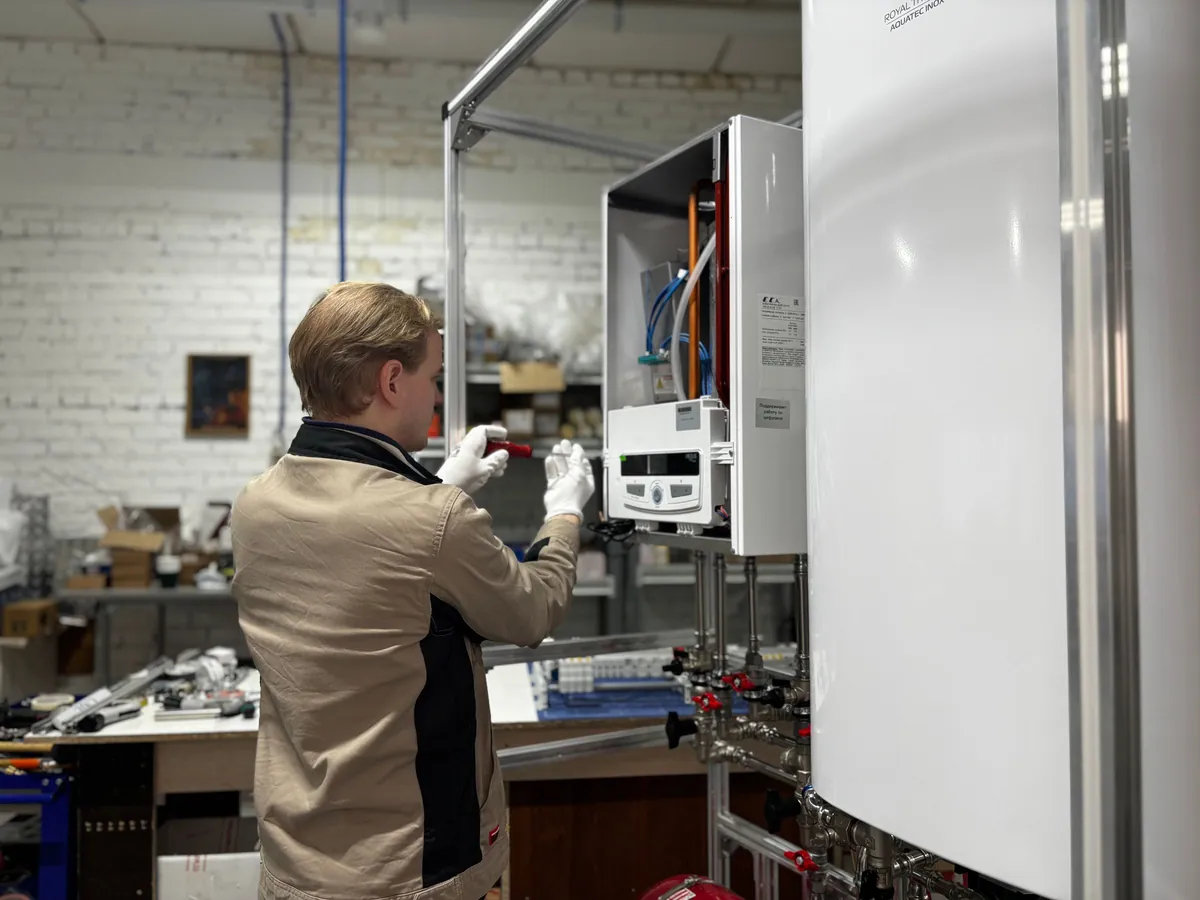
Boiler Installation
A new boiler sized to the house rather than to the old one, with the system flushed, the controls set up and the paperwork registered when it is done.
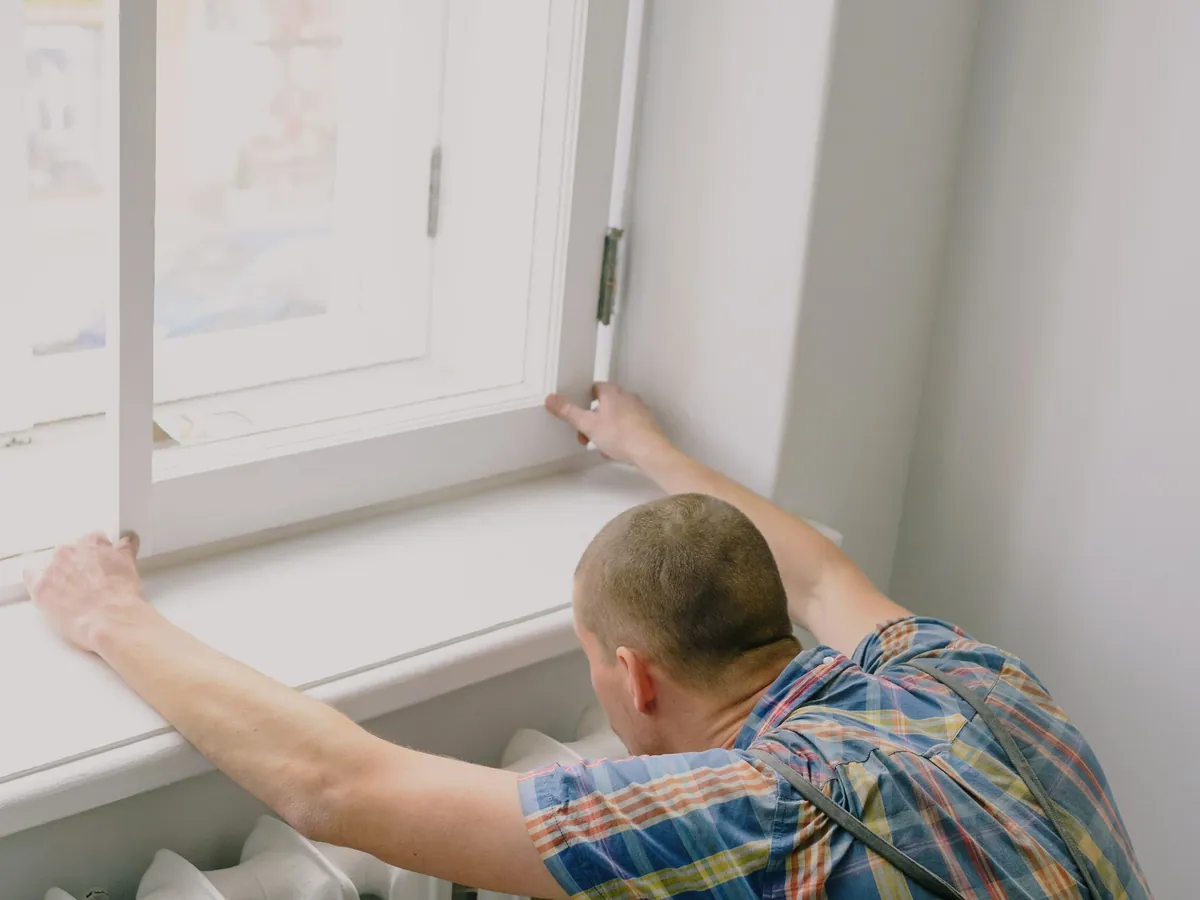
Radiator Repair
Leaking valves, radiators cold at the bottom, replacements, new radiators for extensions and thermostatic valves fitted so each room can be set on its own.
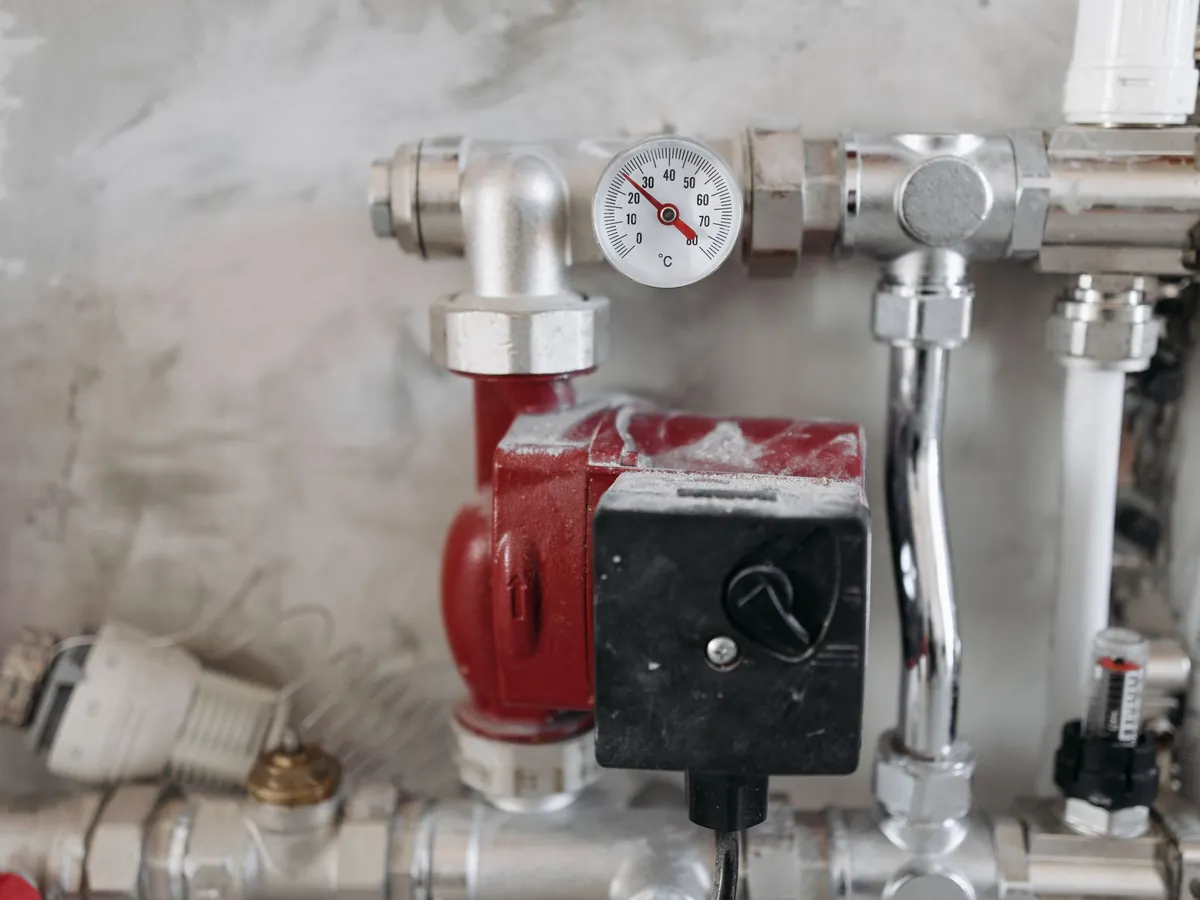
Power Flushing
A power flush pushes the sludge out of a heating system that has cold radiators, a noisy boiler or black water when it is bled, then protects it with inhibitor.
Questions
Central Heating Installation: the questions people ask first
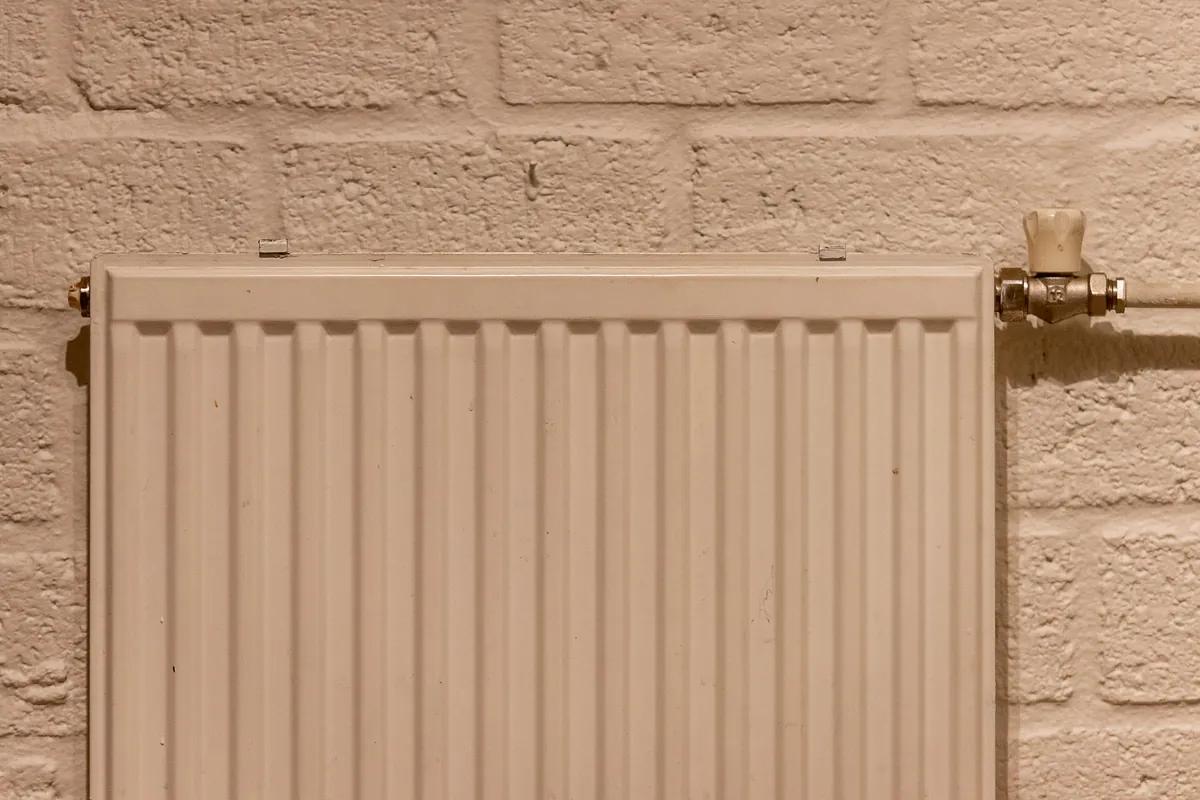
How long does a full central heating installation take?
Typically three to five working days for an average house, depending on the number of radiators and how much of the pipework can be run under floors rather than surface-mounted.
Can central heating be fitted in a house with no gas supply?
Yes. The options are an LPG boiler, an oil boiler, or a heat pump, and the survey covers which suits the house and the site. The radiator and pipework design is the same whichever heat source is chosen.
Do I need to replace the radiators as well as the boiler?
Only if they are undersized for the room, corroded, or of a type that will not work with a modern low-temperature system. The survey checks each one, and sound radiators are kept.
Will the floors have to come up?
Pipework is run under suspended timber floors where possible, which means lifting boards along the route and relaying them. On solid floors the pipes are surface-run and boxed, or dropped from above. The route is agreed at the design stage.
What controls should a new system have?
As a minimum a programmable room thermostat, thermostatic valves on the radiators, and a boiler interlock. Weather compensation or a smart thermostat that modulates the boiler is worth having on any condensing boiler.
Why are the radiators upstairs hot and the ones downstairs cold?
Usually balancing, or a pump that has lost its output, or sludge settling in the lowest radiators. It is diagnosed in that order and is rarely a reason to replace anything large.
Anything not covered here is answered on the contact page, where the same form takes the details and someone calls you back.
Quick Quote Online
Five-star ratedby homeowners and landlords
Tell us about the house and its heating and we will arrange the survey
Bedrooms, how the house is heated now, whether there is a gas supply, and what you want from the new system. The call back books the survey.
- A written price before any work starts
- Plumbing, heating, drains and bathrooms from one enquiry
- Norwich and every town within twenty miles