New boiler in Norwich
Is it time for a new boiler, or has someone just told you it is?
Boiler replacement for Norwich homes: the right type and size for the house rather than a like-for-like swap, the system cleaned before the new boiler goes on it, the controls set up and the paperwork registered. Across the city and the towns within twenty miles.
Five-star ratedby homeowners and landlords
- Combi, system and heat-only
- Sized from a heat-loss check
- Flushed, registered, explained
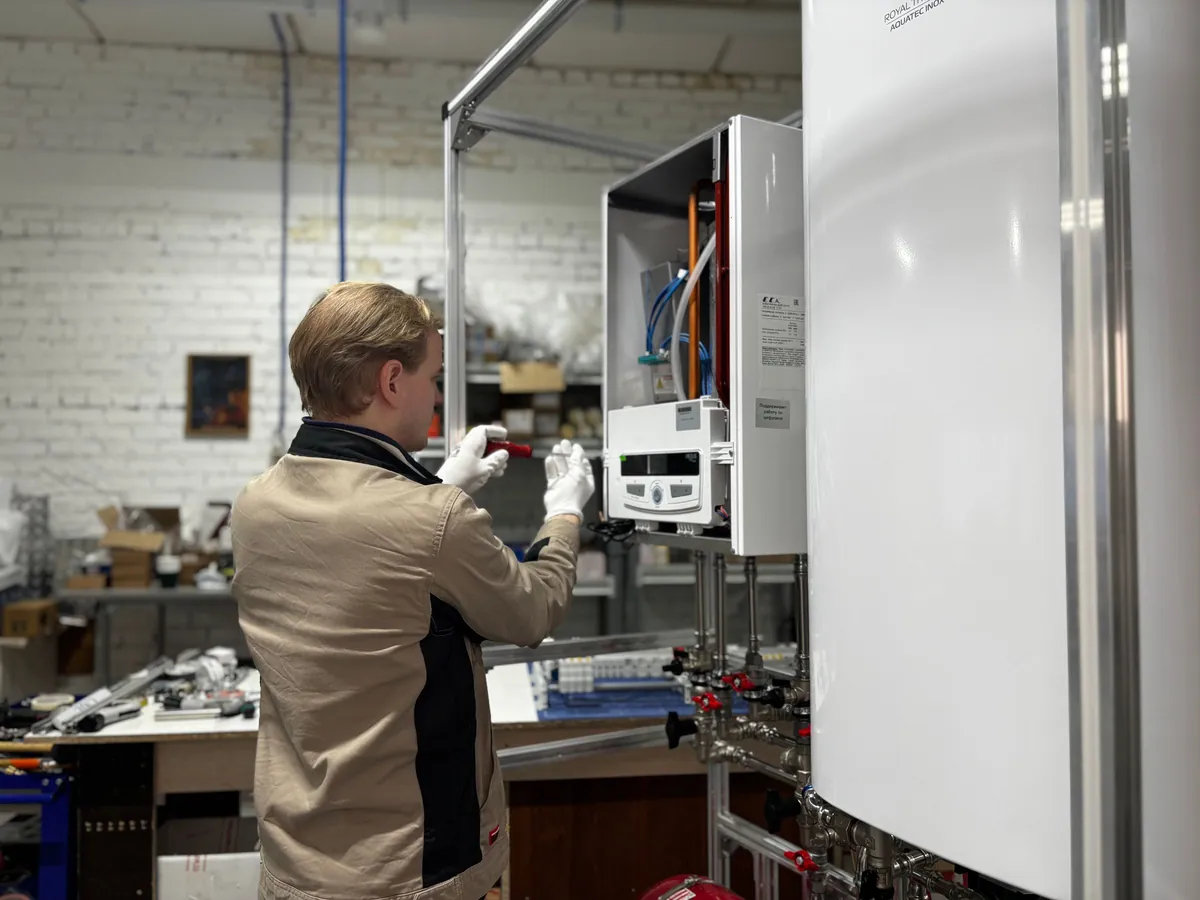
What Norwich homeowners say after a new boiler goes in
A new boiler is the biggest single spend most people make on their heating, and it is often bought in a hurry with the old one dead in the kitchen. The pressure to decide quickly is exactly why the wrong boiler gets fitted: the same size as the old one because that is what was there, a combi in a house with three showers, a system boiler with the sludge of the last twenty years pumped straight into it.
The approach here is to slow the decision down by an hour. A heat-loss check on the house and a look at how the hot water is used decide the type and the size. The system is flushed before the new boiler is connected, because the manufacturer's guarantee depends on it. The controls are set up so the boiler runs at the low temperatures it was designed for. And the whole thing is written down before it starts.
If the existing boiler is repairable, that is said plainly; the boiler repair page covers the faults that are usually worth fixing. Where the house has no central heating at all, or the radiators and pipework are also at the end of their life, the job is a full central heating installation instead. New boilers go in across every town on the areas list.
Boiler installation costs: what decides the figure
The price of a new boiler is a written figure after the survey, not a number from a table, because the things that move it are only visible in the house. In rough order of importance they are: the type of boiler (combi, system or heat-only), its output, the make and the length of its guarantee, whether the new boiler goes where the old one was or moves, what the flue has to do to reach outside, whether a cylinder is added or removed, the state of the existing system and how much cleaning it needs, and the controls chosen.
The written price covers everything: boiler, flue, filter, flush, controls, commissioning, registration and the removal of the old one. Nothing appears on the invoice that was not on the quote unless something is found and agreed during the job.
New boiler options and system types
Combi boilers heat water on demand with no cylinder or tank. They suit flats and houses with one bathroom and free up the airing cupboard. Their limit is flow rate: two showers at once, or a bath filling while someone washes up, and a combi struggles.
System boilers heat a hot water cylinder, usually an unvented one at mains pressure, so several outlets run at full flow together. They suit family houses with more than one bathroom. The cylinder takes space but gives stored hot water and a backup immersion heater.
Heat-only (regular) boilers work with a vented cylinder and a loft tank. They are the like-for-like replacement in older houses with that layout and where the pipework would not take mains pressure.
Which one is right depends on the house, the number of bathrooms, the mains pressure and flow, and how the household uses hot water. That is what the survey is for.
What is included in a fully fitted installation
- Removal and disposal of the old boiler, and of the old cylinder and tanks where a combi replaces a stored system.
- The new boiler, hung and connected to gas, water, heating flow and return, and the condensate drain run to a proper termination.
- A new flue to the current standard, with the terminal positioned to the regulations and any inspection hatches fitted where it runs through a void.
- A magnetic system filter on the return to protect the new boiler from any sludge the flush did not reach.
- A chemical flush or a power flush of the existing system, then inhibitor added, with the water tested.
- Controls to the current regulations: a programmable room thermostat as a minimum, with weather compensation or a smart control where the boiler supports it.
- Commissioning to the manufacturer's procedure, combustion tested and recorded in the benchmark logbook.
- Notification of the installation to building control, and registration of the guarantee with the manufacturer.
Installation process and survey
The survey visit takes about an hour. The house is measured room by room for the heat loss, the mains flow and pressure are tested at the kitchen tap, the existing flue and boiler position are checked, the pipework is inspected where it can be seen, and how the family uses hot water is talked through. From that comes a written proposal with the type, the size, the position, the controls and the price.
A straightforward like-for-like combi swap is usually a one-day job. Moving the boiler, converting from a stored system to a combi or the other way, or adding a cylinder takes two. The water and heating are off for part of the day and back on before the engineer leaves; the old boiler goes with the van.
Energy efficiency and running costs
Any new boiler is a condensing boiler, and a condensing boiler only condenses, and only reaches the efficiency on its label, when the water coming back to it is cool enough. That means running it at a lower flow temperature than most people are used to, with radiators sized to give enough heat at that temperature and controls that modulate the boiler rather than switch it on and off. A boiler set up this way uses noticeably less gas than the same boiler run flat out; one set up badly is little better than the one it replaced.
Exactly how much a household saves depends on the old boiler, the house and how the heating is used, so no figure is promised. What is promised is that the new boiler is commissioned to run at the temperatures it was built for.
Boiler brands and how the guarantee is registered
The mainstream boiler makers all produce reliable boilers at several price points, and the honest difference between them is often the parts availability and the length of the guarantee rather than the boiler itself. The quote names the make and model so you can look it up, and an alternative at a different price point is offered where it makes sense.
Manufacturers' guarantees have conditions: the boiler must be registered with them within a set period after installation, the system must have been flushed and protected with inhibitor and a filter, and the boiler must be serviced every year. All three are handled as part of the installation and the paperwork is left with you.
How a job runs
How a boiler installation runs
Survey, written proposal, one or two days on site, then the paperwork.
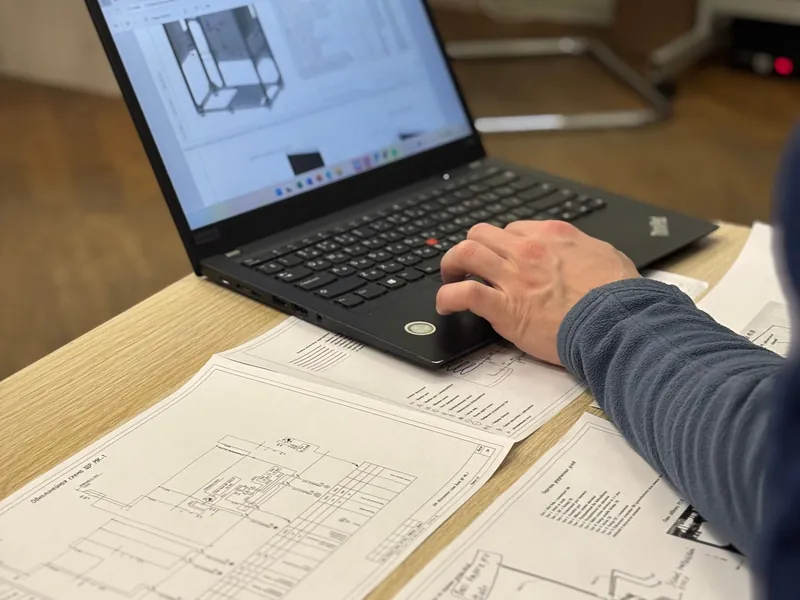
Survey
Heat loss, mains flow and pressure, flue route, hot water use. About an hour in the house.
Written proposal
Type, size, make, position, controls and price, with an alternative where there is a real choice to make.
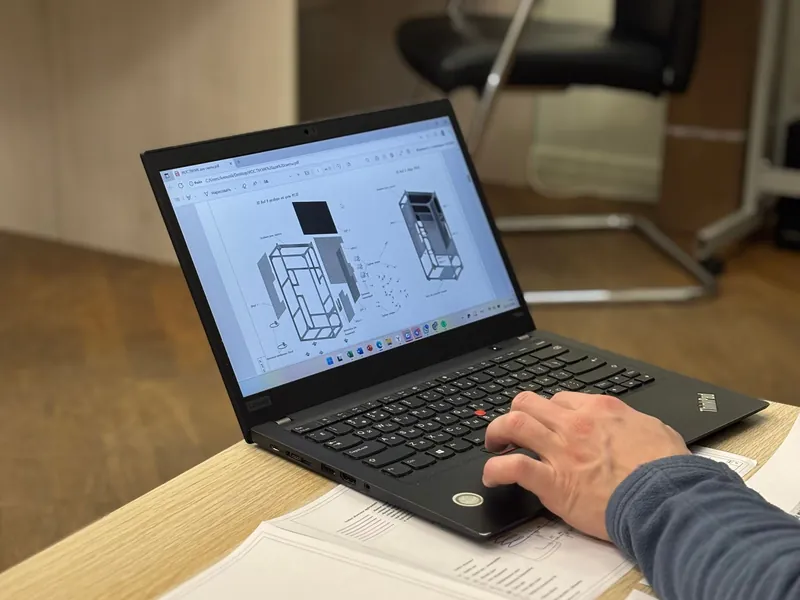
Installation day
Old boiler out, system flushed, new boiler and flue in, filter and controls fitted, commissioned and tested.
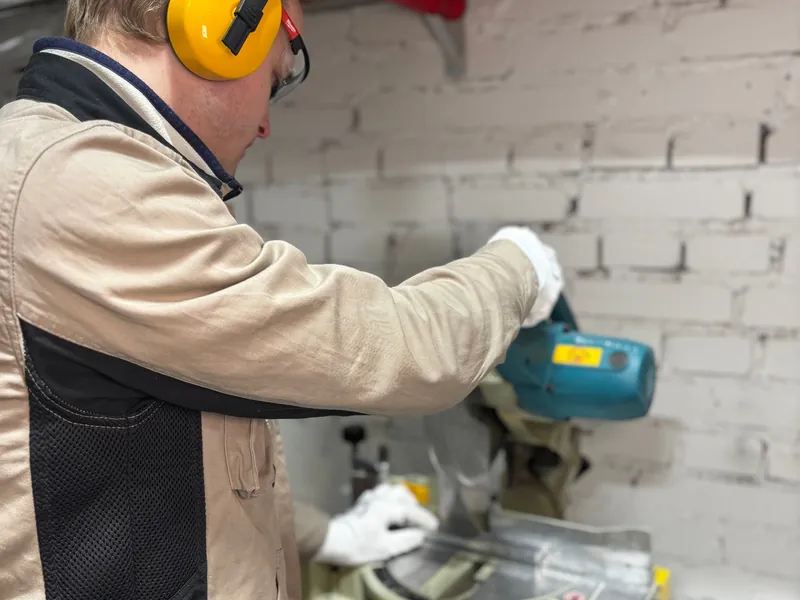
Handover
Controls explained, benchmark logbook completed, guarantee registered, building control notification made.
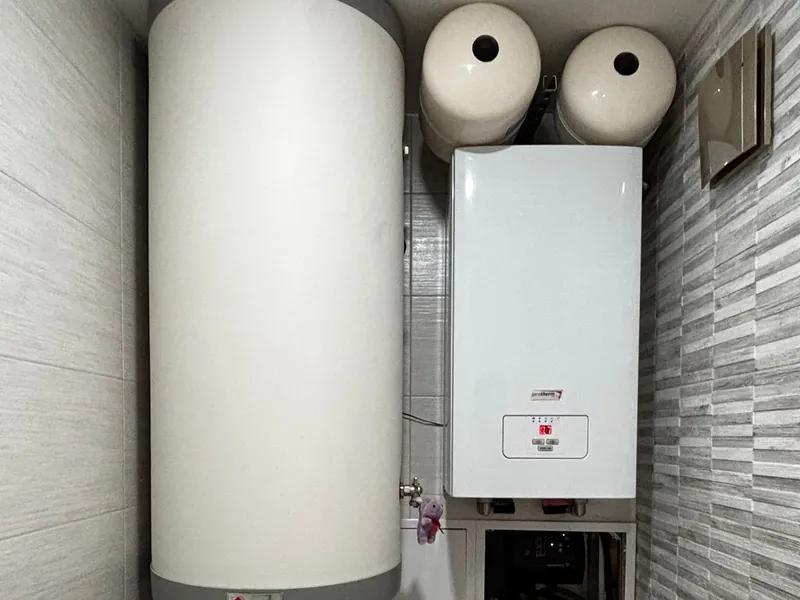
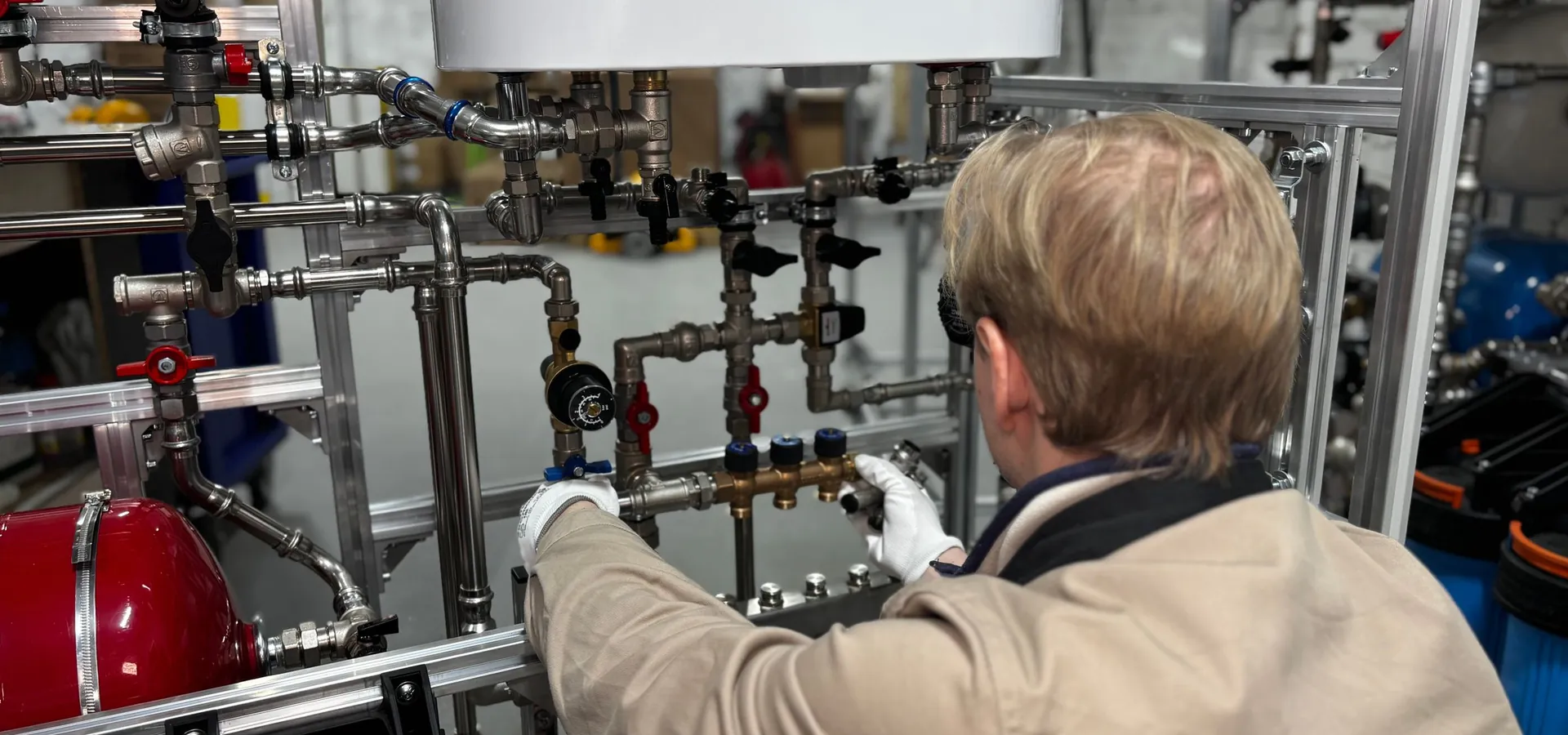
Ready when you are
Ready to price a new boiler, or want to know if the old one is worth saving?
Describe the house, the boiler and what is wrong with it. You get a call back to arrange the survey and a written proposal afterwards.
On the tools
Boiler Installation: the kind of work behind the page
Four from the gallery. The full set is on the home page, and every photo opens full size.
Where we work
Boiler installation across Norwich and the surrounding towns
City terraces where the boiler lives in a kitchen alcove, fringe-estate semis with a garage boiler, and market-town houses converting from a loft tank to mains pressure. The full twenty-mile radius.
The larger towns in the area
- Norwich
- Great Yarmouth
- Bowthorpe
- East Dereham
- Beccles
- North Walsham
- Diss
- Attleborough
Related
Jobs that often go with this one
One visit often covers two of these. Mention both on the form and the price covers the lot.
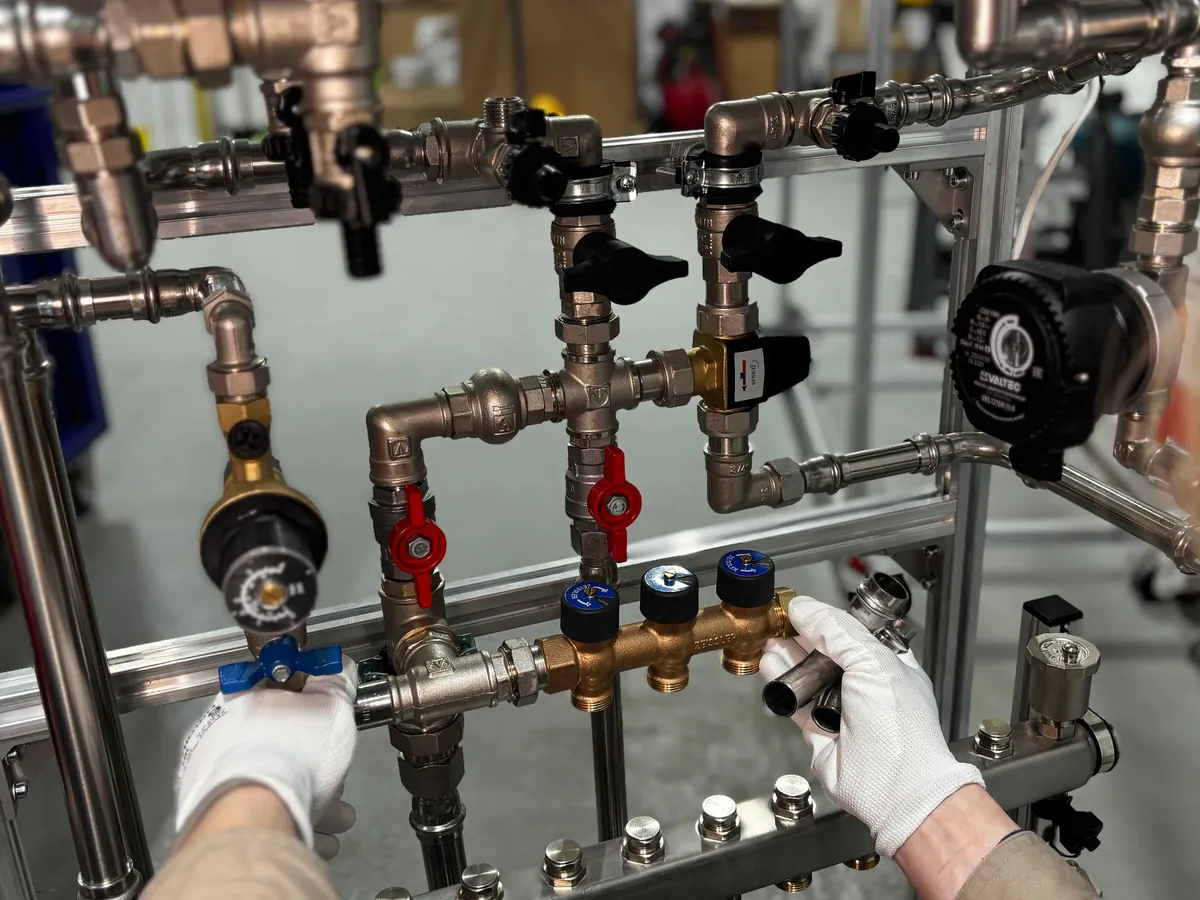
Boiler Repair
Fault codes, lockouts, no hot water, pressure that keeps dropping. Boiler repairs diagnosed properly before any part is ordered or fitted.
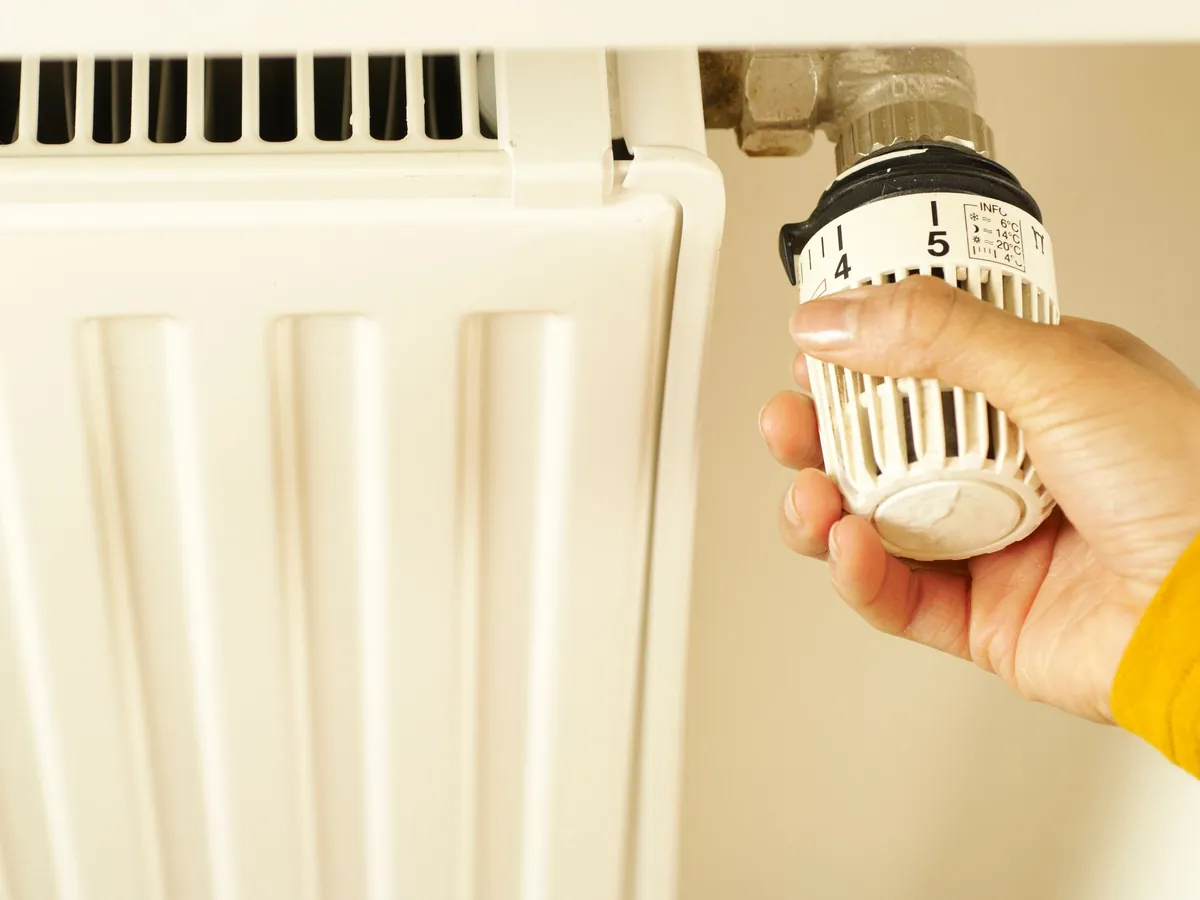
Central Heating Installation
Full central heating systems for houses that have none, plus new pipework, radiators and controls where an old system has reached the end of its useful life.
Power Flushing
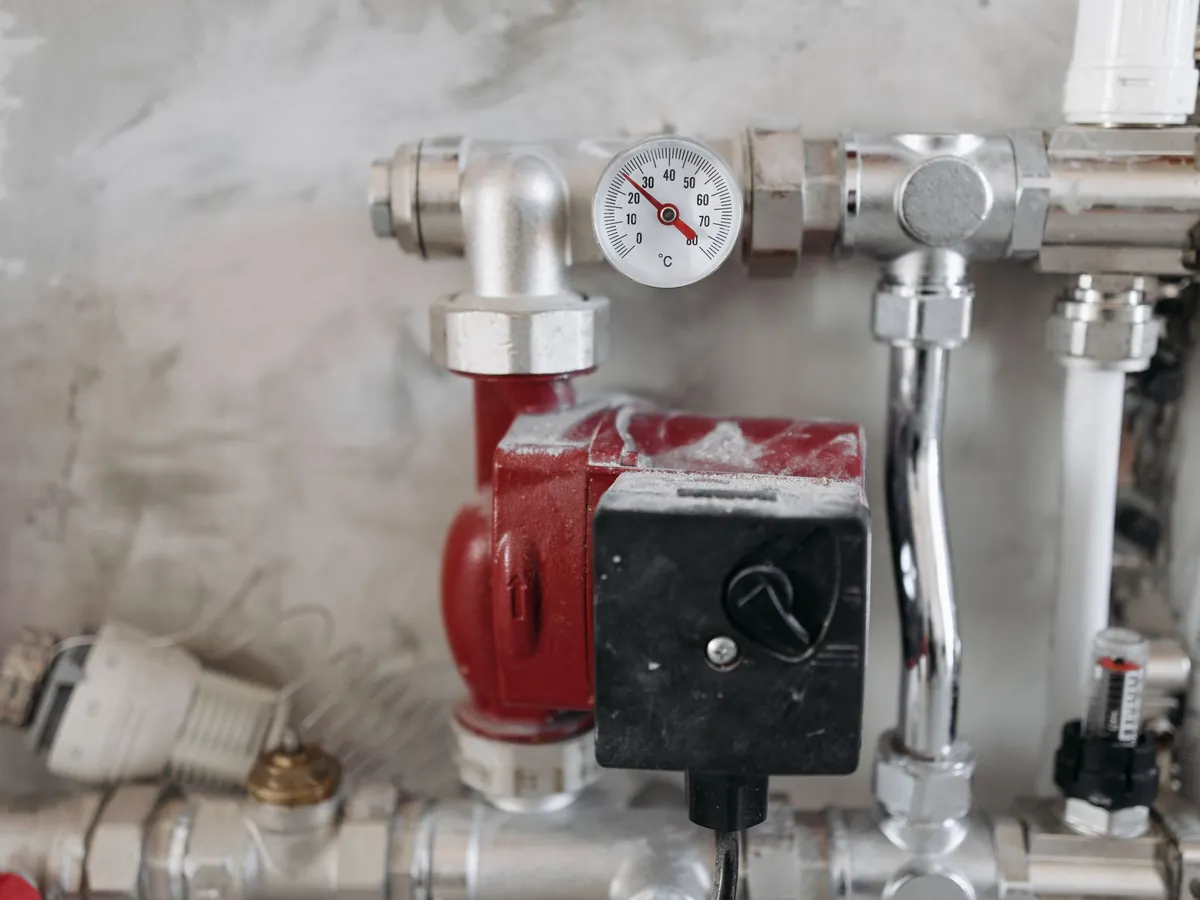
A power flush pushes the sludge out of a heating system that has cold radiators, a noisy boiler or black water when it is bled, then protects it with inhibitor.
Questions
Boiler Installation: the questions people ask first
How do I know if my boiler needs replacing?
Age alone does not decide it. A boiler that needs a major part such as a heat exchanger or a gas valve, that has had several repairs in two winters, or whose parts are no longer available is usually worth replacing. A boiler with a single failed component often is not. The survey gives you a straight answer either way.
Combi or system boiler for a three-bedroom house?
With one bathroom and reasonable mains flow, a combi. With two bathrooms in regular use, or a bath and a shower that run together, a system boiler with an unvented cylinder. The mains flow test at the survey settles it.
Does the system have to be flushed?
Yes. Every manufacturer requires it as a condition of the guarantee, and a new boiler fed with twenty years of sludge fails early. A chemical flush is enough for a clean system; a heavily sludged one needs a power flush.
Can the boiler be moved to a different room?
Usually, subject to a flue route that meets the regulations and a condensate drain. Moving it to a loft or a garage is common. It adds pipework and a day to the job.
How long will we be without heating and hot water?
For a like-for-like swap, part of one day. For a conversion or a boiler move, hot water is usually back by the end of the first day and heating by the end of the second.
What paperwork do I get?
The benchmark logbook with the commissioning readings, the building control compliance certificate that follows the notification, and the manufacturer's guarantee registration.
Anything not covered here is answered on the contact page, where the same form takes the details and someone calls you back.
Quick Quote Online
Five-star ratedby homeowners and landlords
Tell us about the house and the boiler and we will arrange the survey
Bedrooms and bathrooms, the make and age of the current boiler, and what has gone wrong with it. The call back books the survey.
- A written price before any work starts
- Plumbing, heating, drains and bathrooms from one enquiry
- Norwich and every town within twenty miles