Radiator repair in Norwich
A radiator that leaks, will not heat or knocks all night? Fixed, or replaced if it is really done
Radiator repair, replacement and new fitting across Norwich and the surrounding towns: leaking valves and tails, cold radiators, thermostatic valves, moving a radiator for a new kitchen, and radiators sized for an extension.
Five-star ratedby homeowners and landlords
- Leaks, cold spots and noise
- Replacements and new fits
- Thermostatic valves and controls
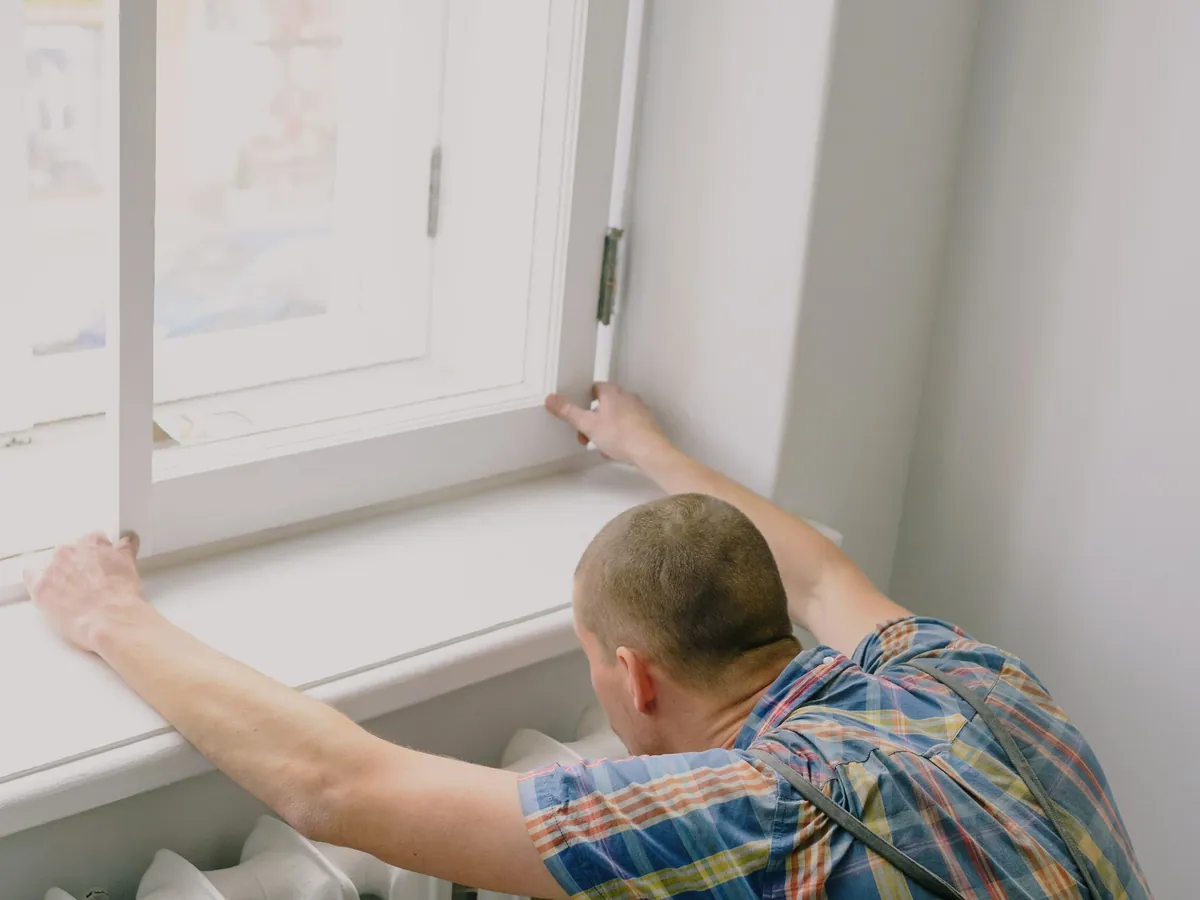
What Norwich households say once every radiator heats through
Radiators are simple things that go wrong in a small number of ways. They leak, usually at a valve or the tail where it joins the radiator. They go cold, at the bottom from sludge, at the top from air, or all over because a valve has stuck. They make noise, from air, from a pump pushing too hard, or from pipes expanding against a floorboard. And they eventually corrode through, which is the only one of those that needs a new radiator.
The radiator work here starts by working out which of those it is. A cold radiator gets a valve check and a bleed before anyone suggests replacing it; a leaking one gets the joint remade before the radiator comes off the wall. When a radiator does need replacing, it is sized for the room rather than matched to the old one, because the old one was often wrong.
This page covers single radiators and small groups. Where every radiator in the house is cold at the bottom, the answer is a power flush of the whole system. Where the radiators and the pipework are all at the end of their life, the job is a new central heating system. Radiator work is booked across every town on the areas list.
Radiator repair and diagnosis
The visit begins with the question of whether the radiator is faulty or the system is. Both valves are checked to be open, the radiator is bled, the flow and return temperatures are felt, and the pipework is looked at for a leak. A radiator that heats after that needed nothing but a bleed and a balance. One that stays cold with hot pipes has a stuck valve or a blocked inlet. One that is cold at the bottom with the rest of the house the same has sludge. The diagnosis takes minutes and saves a radiator being replaced that did not need to be.
Leaking radiator and valve repairs
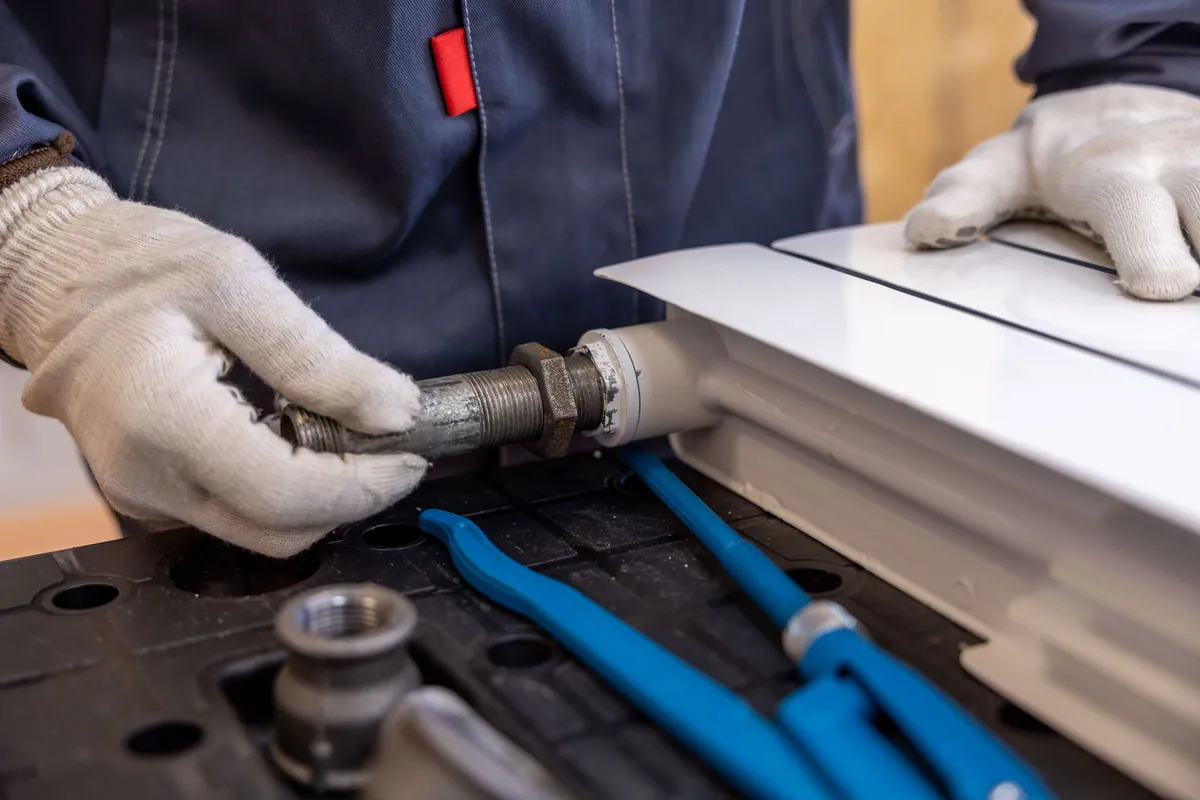
Most radiator leaks are at the valve: the gland nut on a wheelhead valve, the olive on the compression joint to the pipe, or the tail where the valve screws into the radiator. All three are repaired by draining the radiator, remaking the joint with new fittings and sealing the tail with the right compound or tape. A pinhole in the radiator body, usually along the bottom seam where sludge has sat, cannot be repaired reliably and the radiator is replaced.
A leak that keeps coming back at the same valve is often a cracked valve body, replaced as a pair with its matching lockshield so the radiator can be balanced.
Bleeding, balancing and pressure checks
Air collects at the top of radiators, especially the highest ones, and bleeding it out is a two-minute job that solves a surprising number of "faulty radiator" calls. Balancing sets the lockshield valve on each radiator so that the ones nearest the boiler do not take all the flow and leave the far ones lukewarm; most systems have never had it done. After either, the boiler pressure is checked and topped up, and if it keeps dropping afterwards the cause is looked for rather than the gauge topped up again.
Radiator replacement and installation
A replacement radiator is sized from the room: its dimensions, the windows, the outside walls and what the boiler runs at. That often means a different size from the old one, sometimes a double panel where a single was, because rooms were routinely fitted with radiators too small for them, and because a modern boiler runs cooler and needs more radiator surface to give the same heat. New radiators for an extension, a loft or a garage conversion are sized the same way and connected into the existing system where it has the capacity, which is checked first.
Moving a radiator, for a new kitchen layout or to free a wall, is a matter of re-running the pipes under the floor and is quoted after a look at where they can go.
Thermostatic radiator valves and controls
A thermostatic valve on each radiator lets each room be set to its own temperature and stops rooms overheating when the hall thermostat is satisfied. Fitting them to an existing system is straightforward, done one radiator at a time with a partial drain-down. The radiator in the room with the main thermostat keeps a plain valve so the boiler always has somewhere to send heat. Smart valves that can be scheduled from a phone are an option where the house already has a compatible control system.
Fault finding for cold spots and noisy radiators
Cold at the top: air, bleed it. Cold at the bottom: sludge, which needs flushing. Cold at one end: a partly blocked inlet, or a valve not fully open. Cold all over with hot pipes: a stuck valve or a blocked tail. Cold all over with cold pipes: the system, not the radiator. Ticking as it heats: pipes expanding against a joist or board, fixed by easing the clip or packing the notch. Gurgling: air, and if it comes back quickly, corrosion producing gas. Banging: the pump set too high or the boiler kettling. Each has a different fix and they are told apart on the first visit.
Urgent heating call-outs
A radiator leaking onto a floor, or a whole house without heat in winter, is urgent and the form has a place to say so. For a leak, close both valves on the radiator, put a bowl under it and stop the boiler if the pressure is dropping fast. The visit isolates the leak and repairs or caps it so the rest of the house can be heated while any replacement is arranged.
How a job runs
How a radiator job runs
Diagnosed on the wall, fixed on the wall where possible.
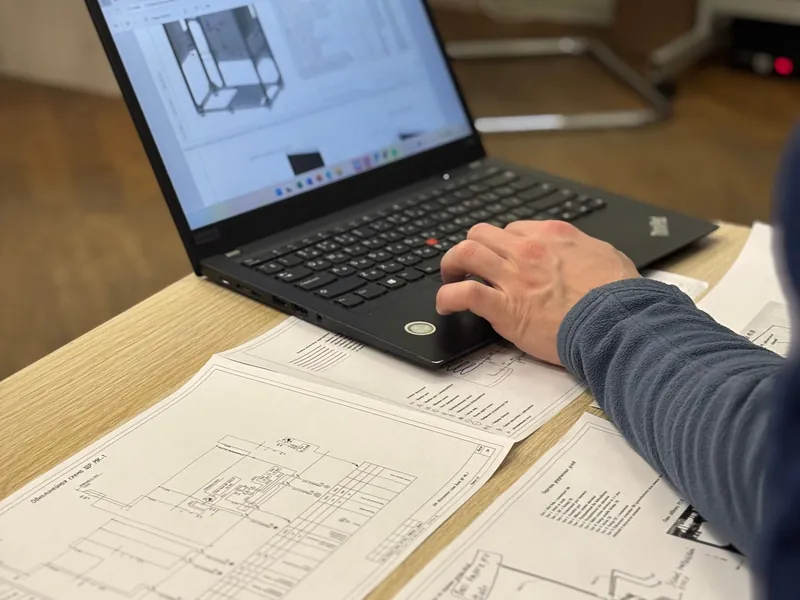
Which radiator, what symptom
Where it is, what it is doing and whether the rest of the house is the same. That sorts a radiator fault from a system fault before the visit.
Check before replacing
Valves, bleed, flow and return, pipework. A radiator is only condemned when it has corroded through.
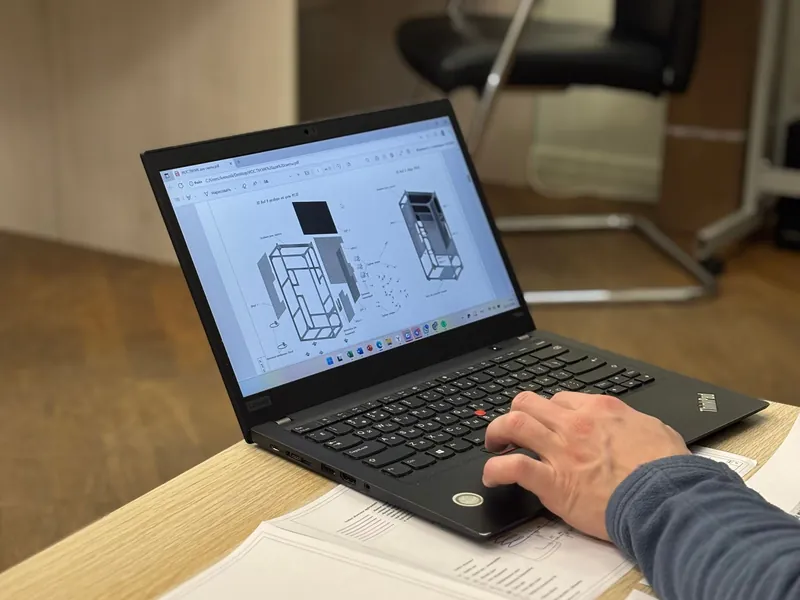
Repair or size the replacement
Joints remade, valves swapped, or a new radiator sized for the room and priced before it is ordered.
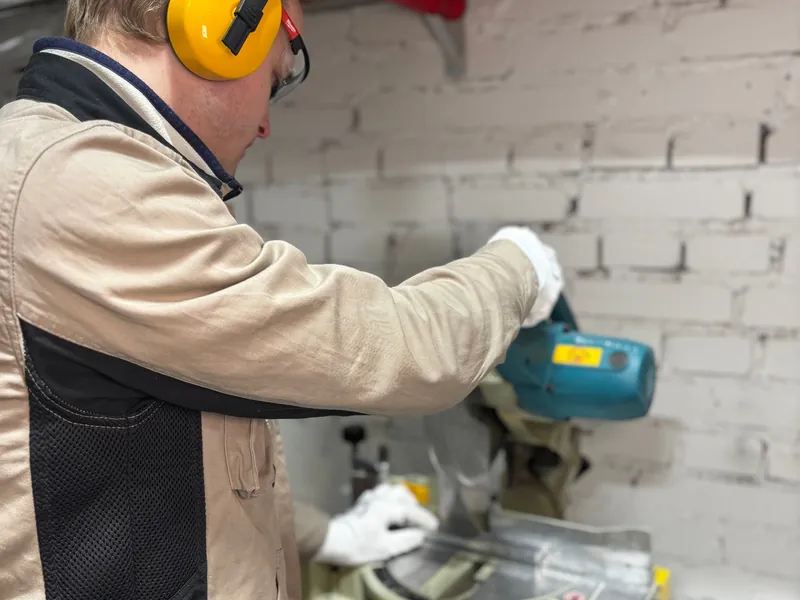
Refill, bleed, balance
The system refilled and dosed, the radiator bled and balanced, the pressure set, and the floor left as it was.
Ready when you are
One radiator letting the room down? Get it looked at properly
Say which radiator, what it is doing and whether others are the same. You get a call back to arrange the visit and the price.
On the tools
Radiator Repair: the kind of work behind the page
Four from the gallery. The full set is on the home page, and every photo opens full size.
Where we work
Radiator work across Norwich and the surrounding towns
Period cast iron in the city terraces, standard panels on the estates and new radiators for extensions wherever they are being built. Every town within twenty miles.
The larger towns in the area
- Norwich
- Great Yarmouth
- Bowthorpe
- East Dereham
- Beccles
- North Walsham
- Diss
- Attleborough
Related
Jobs that often go with this one
One visit often covers two of these. Mention both on the form and the price covers the lot.
Power Flushing
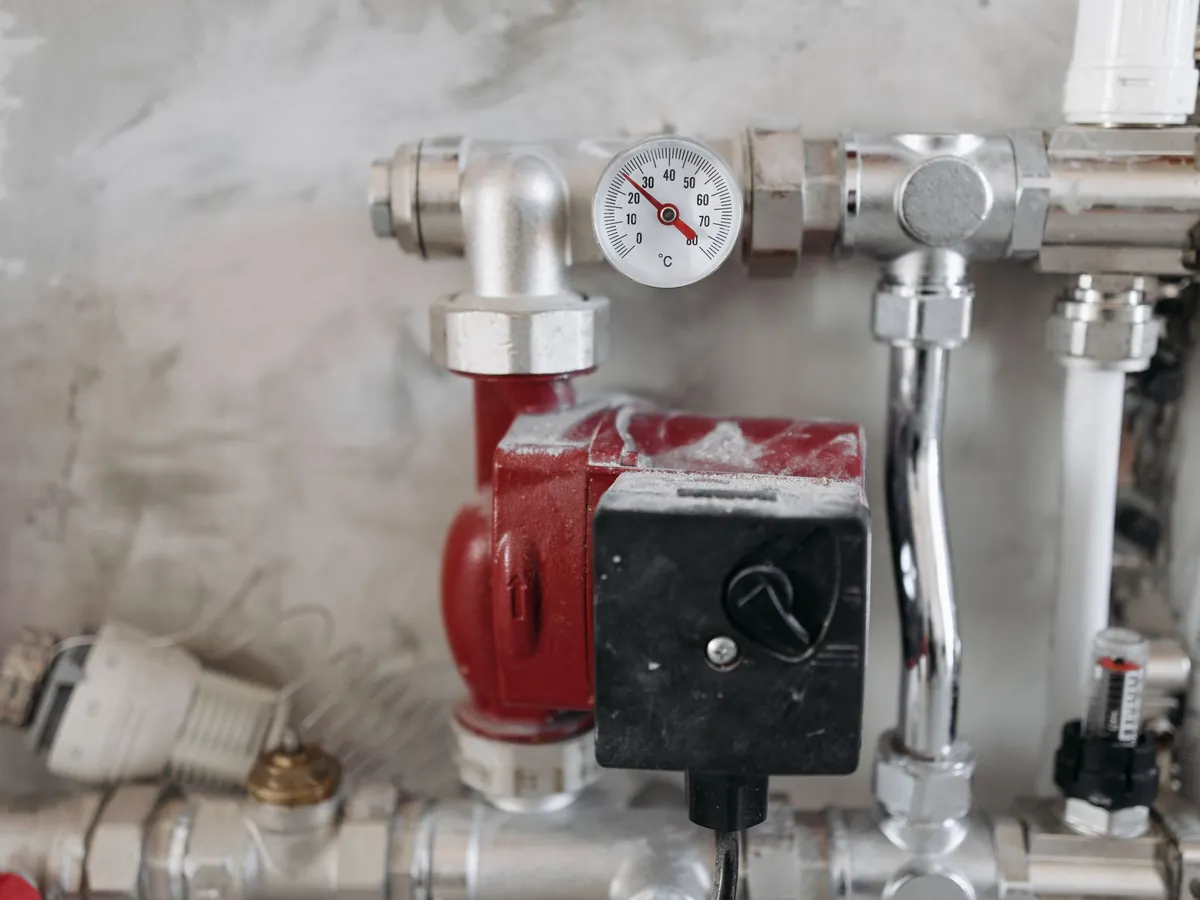
A power flush pushes the sludge out of a heating system that has cold radiators, a noisy boiler or black water when it is bled, then protects it with inhibitor.
Central Heating Installation
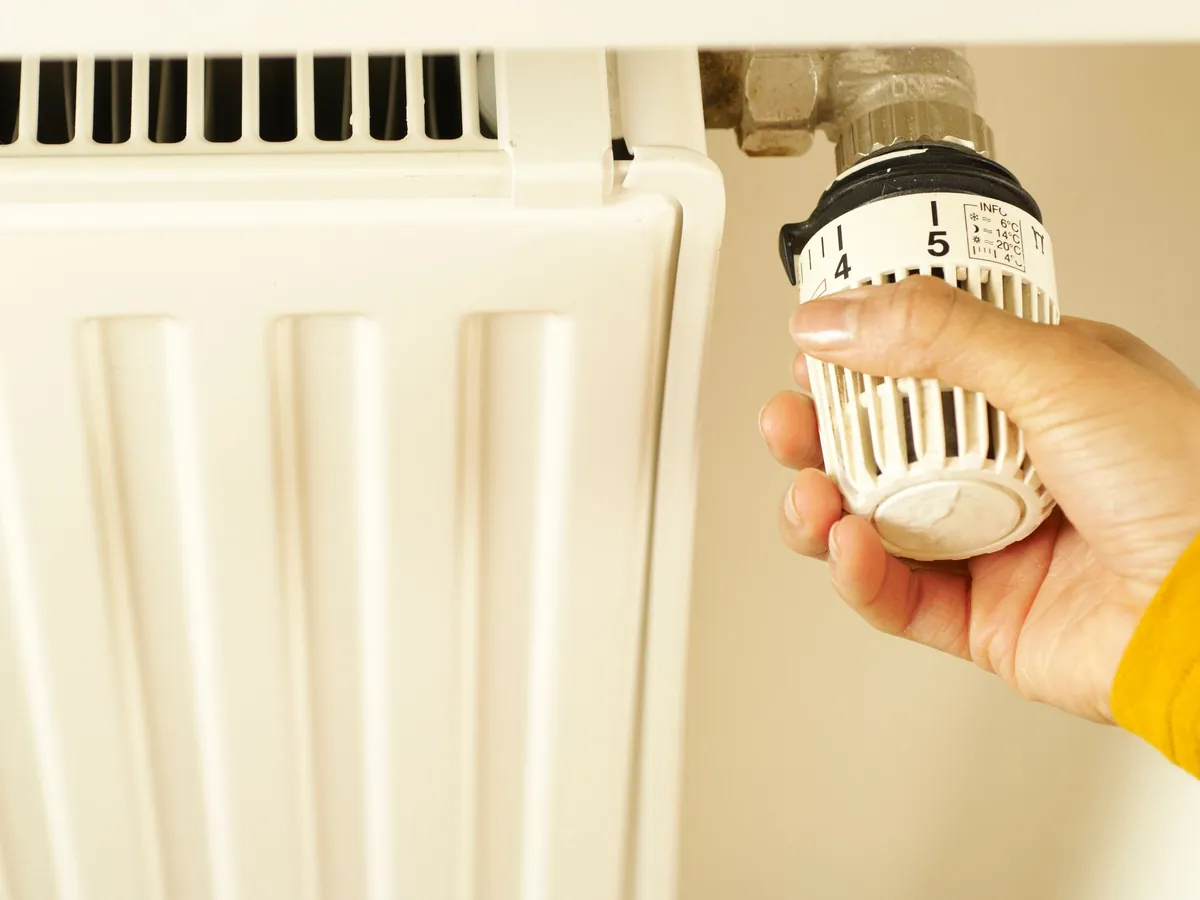
Full central heating systems for houses that have none, plus new pipework, radiators and controls where an old system has reached the end of its useful life.

Leaking Pipes
Weeping joints, pinholed copper, split plastic push-fits and frozen pipes that have thawed and burst. Leaking pipes repaired at the source, not patched over.
Questions
Radiator Repair: the questions people ask first
Why is my radiator cold at the bottom but hot at the top?
Sludge has settled in the bottom and the water is flowing over it. If it is one radiator it can sometimes be removed and flushed on its own; if it is most of them the system needs a power flush.
Can a leaking radiator be repaired or does it need replacing?
A leak at a valve, a tail or a joint is repaired. A leak from the radiator body, usually a pinhole along the bottom, means a replacement.
Can I get a bigger radiator for a cold room?
Yes, and it is often the right fix. The room's heat loss is worked out and a radiator sized to it, checking the boiler has the capacity for the extra output.
Do thermostatic valves save money?
They stop rooms overheating and let unused rooms run cooler, which reduces gas use in most houses. How much depends on how the house was run before.
My radiator makes a ticking noise as it warms up. Is that a fault?
Almost always pipe expansion rubbing on a joist, a clip or a floorboard. It is harmless but can be fixed by easing the fixing where the pipe passes through.
Can a radiator be moved to another wall?
Yes, by re-running the flow and return pipes under the floor or along the wall to the new position. The route decides the price and is looked at before quoting.
Anything not covered here is answered on the contact page, where the same form takes the details and someone calls you back.
Quick Quote Online
Five-star ratedby homeowners and landlords
Tell us which radiator and what it is doing
Which room, the symptom, and whether the rest of the house is the same. The call back arranges the visit and its price.
- A written price before any work starts
- Plumbing, heating, drains and bathrooms from one enquiry
- Norwich and every town within twenty miles