Hot water cylinders in Norwich
Weak showers, lukewarm baths or a cylinder weeping in the airing cupboard?
Unvented and vented hot water cylinders installed, replaced, serviced and repaired across Norwich and the surrounding towns. The right size for the household, mains pressure where the house can take it, and the safety checks an unvented cylinder needs every year.
Five-star ratedby homeowners and landlords
- Unvented and vented
- Sized for the household
- Annual unvented servicing
What Norwich homeowners say once the hot water is sorted
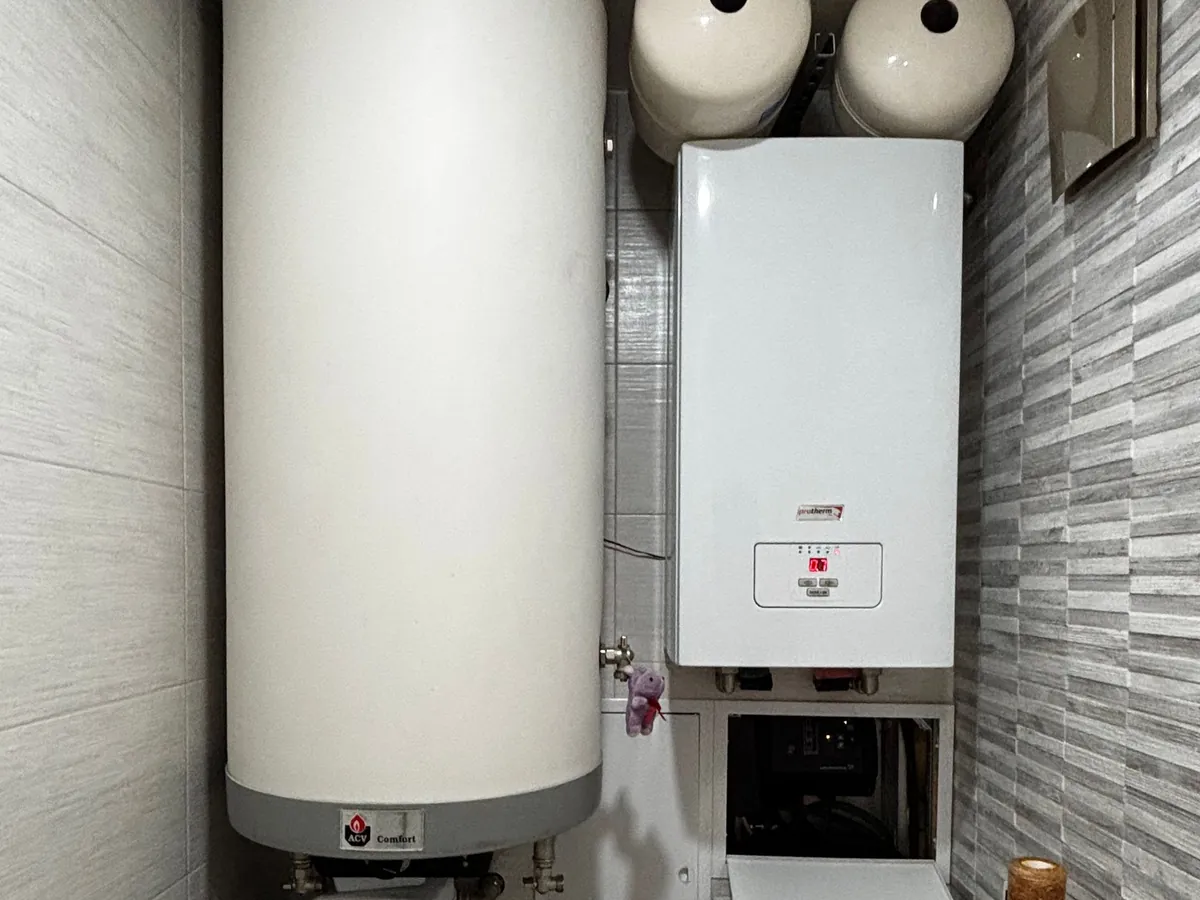
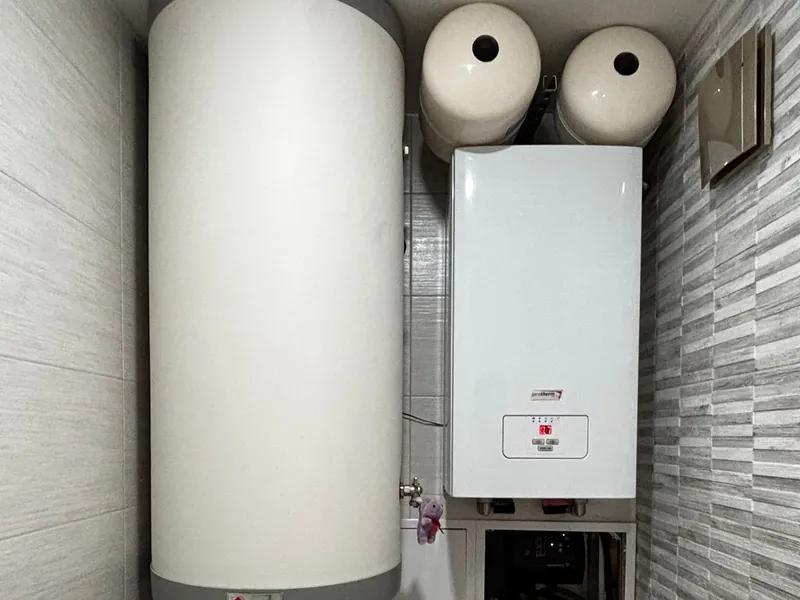
The hot water cylinder is the part of the heating system nobody thinks about until the shower goes cold or the airing cupboard floor is wet. In Norwich the cylinders in older houses are often the original copper vented type, fed from a loft tank, giving a gentle shower on the first floor and almost nothing on the second. The replacement most people want is an unvented cylinder run at mains pressure, which changes the showers in the house completely.
Cylinders also fail, and fail slowly. A weeping joint at the base, a coil that has scaled through in Norfolk's hard water, an immersion heater that trips, a thermostat that has drifted: each is diagnosed before anything is replaced, because a cylinder is expensive and a thermostat is not.
This page covers installation, replacement, servicing and repair. Where a new cylinder is part of a bigger change, such as swapping from a combi to stored hot water, it is planned alongside the new boiler installation. If the cylinder is fine and the problem is a shower or a tap, the general plumbing page is the one. Cylinder work covers every town on the areas list.
Hot water cylinder repairs and installation
Repairs cover the parts that fail around a cylinder more often than the cylinder itself: immersion heaters and their thermostats, the cylinder thermostat that tells the boiler when to heat it, the motorised valve on the coil, the expansion vessel and the pressure-reducing valve on an unvented unit, and the temperature and pressure relief valve. Installation covers a new cylinder in a new position or in place of an old one, with the pipework, controls and discharge arrangements to suit.
Unvented cylinder servicing and repairs
An unvented cylinder stores water at mains pressure and relies on a set of safety devices to keep that pressure and temperature within limits. Those devices need checking once a year: the expansion vessel or air gap recharged, the pressure-reducing valve and the relief valves tested, the discharge pipe confirmed clear, the strainer cleaned. A cylinder that has not been serviced tends to show it as a relief valve that drips constantly or a pressure that surges when a tap is opened.
The annual service can be booked alongside the boiler service so both are done in one visit.
Vented and unvented cylinder replacement
Replacing a vented cylinder with a new vented one is the straightforward option where the house has a loft tank and the pipework is not suited to mains pressure. Replacing it with an unvented cylinder removes the loft tank, gives mains pressure to every outlet and frees the loft, but needs a mains supply with enough flow and pressure, a discharge route for the relief valves and the safety devices above. The survey tests the mains and checks the route before either is recommended.
A failed cylinder is replaced with the same type as a matter of urgency where the household has no hot water; the conversation about upgrading happens when there is time for it.
Why unvented cylinders need a qualified installer
Because an unvented cylinder holds hot water under pressure, the regulations require that it is installed, commissioned and serviced by someone holding the relevant unvented hot water qualification, and that the installation is notified to building control. The safety devices, the discharge pipework and the cold water arrangements all have to be right, and the certificate that follows is part of the house paperwork. It is not a job for a general handyman, and the discharge pipe run is where most unqualified installations go wrong.
Common cylinder faults and leak diagnosis
- Water on the airing cupboard floor. A weeping joint, a passing relief valve discharging inside, or the cylinder itself. The source is found before a new cylinder is suggested.
- Hot water runs out quickly. A thermostat set low or failed, a coil scaled so the boiler cannot heat the store, or a cylinder that is simply too small for the household.
- Immersion heater trips or does nothing. A failed element, usually scaled, or its thermostat. A short job.
- Relief valve dripping constantly. On an unvented unit, a flat expansion vessel or a failed pressure-reducing valve. On a vented one, an overflow from the loft tank means a failed float valve.
- Rumbling or knocking. Scale on the immersion heater or in the base of the cylinder.
Cylinder types, sizes and system options
Cylinders are sized to the household: the number of people, the bathrooms, and whether baths or showers dominate. A cylinder too small runs out; one too large heats water nobody uses. Options include direct cylinders heated only by immersion (for houses with no boiler), indirect cylinders heated by the boiler coil, twin-coil cylinders ready for solar or a heat pump, and slimline or horizontal units for tight cupboards. Recovery time, the period to reheat from cold, is part of the sizing and depends on the boiler output as much as the cylinder.
Emergency call-outs
A cylinder that has split or a joint that has let go can put a great deal of water through a ceiling. Close the gate valve on the cold feed to the cylinder, or the stopcock if you cannot find it, open the hot taps to drain the cylinder down, and send the form marked as an emergency. The immediate job is to stop the water and make the cupboard safe; the replacement is quoted once the size and type are confirmed.
How a job runs
How a cylinder job runs
Fault found or mains tested first, then the cylinder that suits the house.
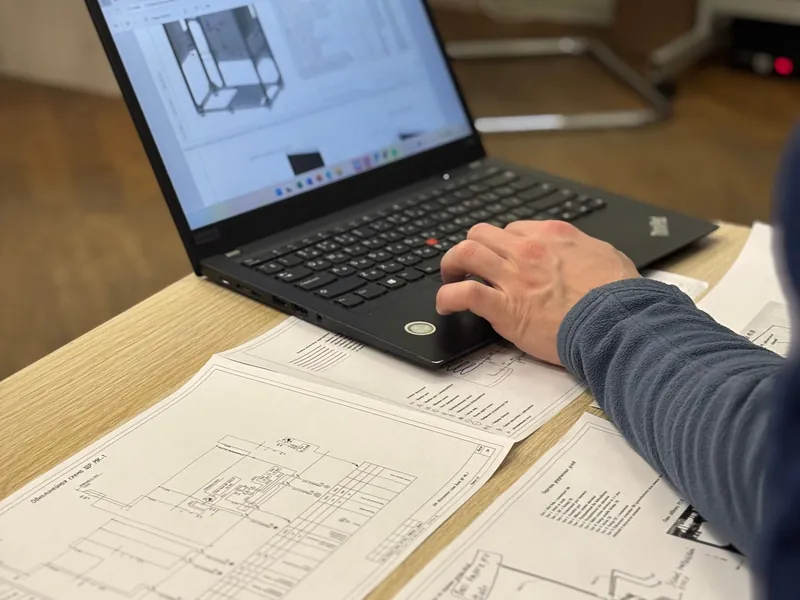
Symptoms and setup
What the hot water is doing, what type of cylinder is there, and how the boiler heats it.
Diagnose or survey
A fault is traced to its part. A replacement gets a mains flow and pressure test and a check of the discharge route.
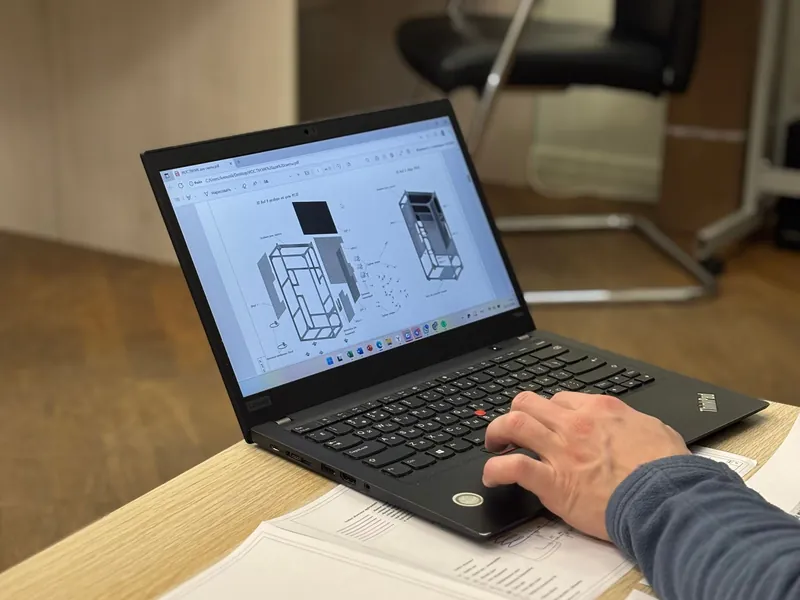
Written price
Repair or replacement priced with the type and size named, and the alternative if there is one.
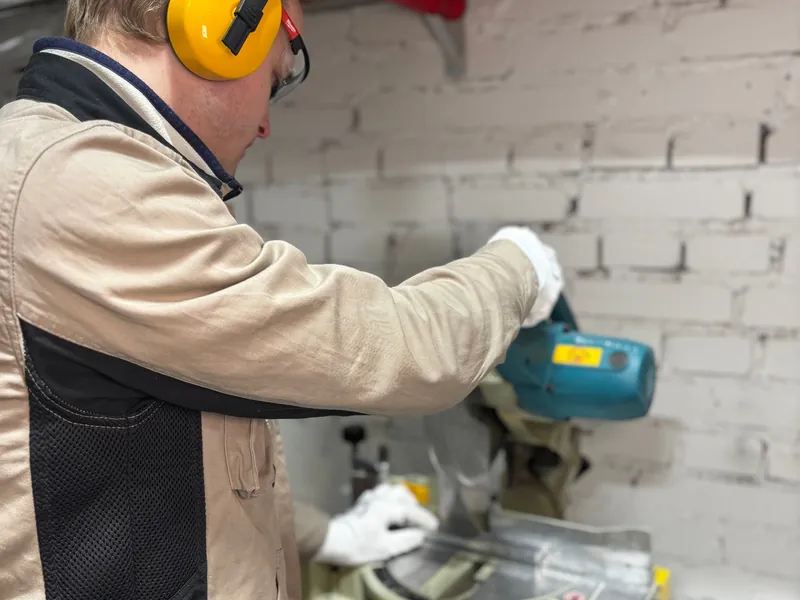
Fit, commission, certify
The cylinder installed, the safety devices set, the system run up and the paperwork handed over.
Ready when you are
Poor pressure upstairs, or a cylinder that has started to leak?
Describe the hot water setup and the problem. You get a call back to arrange a look and a written price.
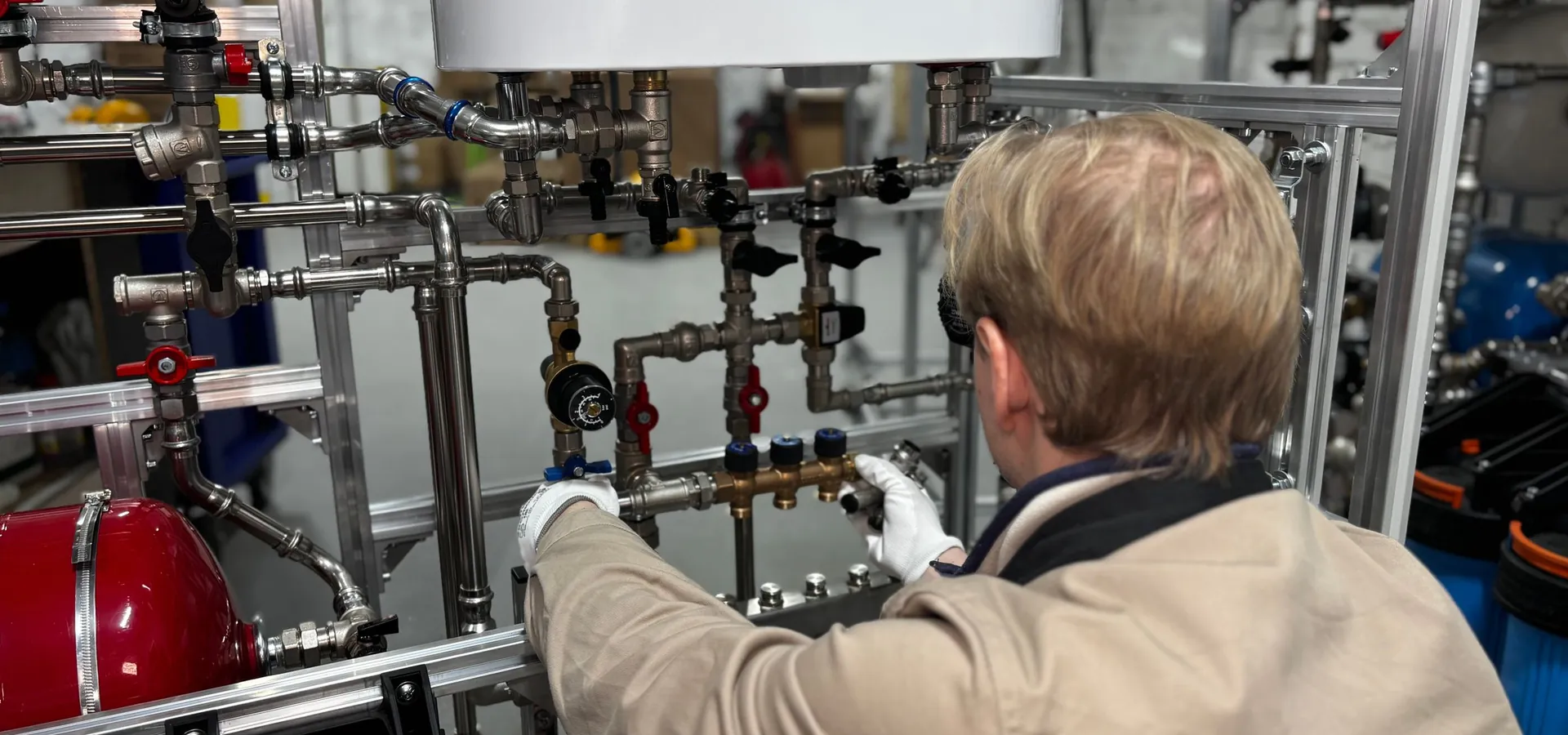
On the tools
Hot Water Cylinder: the kind of work behind the page
Four from the gallery. The full set is on the home page, and every photo opens full size.
Where we work
Cylinder work across Norwich and the surrounding towns
Loft-tank conversions in the city terraces and semis, replacements in the market towns, and unvented servicing wherever a cylinder has one due.
The larger towns in the area
- Norwich
- Great Yarmouth
- Bowthorpe
- East Dereham
- Beccles
- North Walsham
- Diss
- Attleborough
Related
Jobs that often go with this one
One visit often covers two of these. Mention both on the form and the price covers the lot.
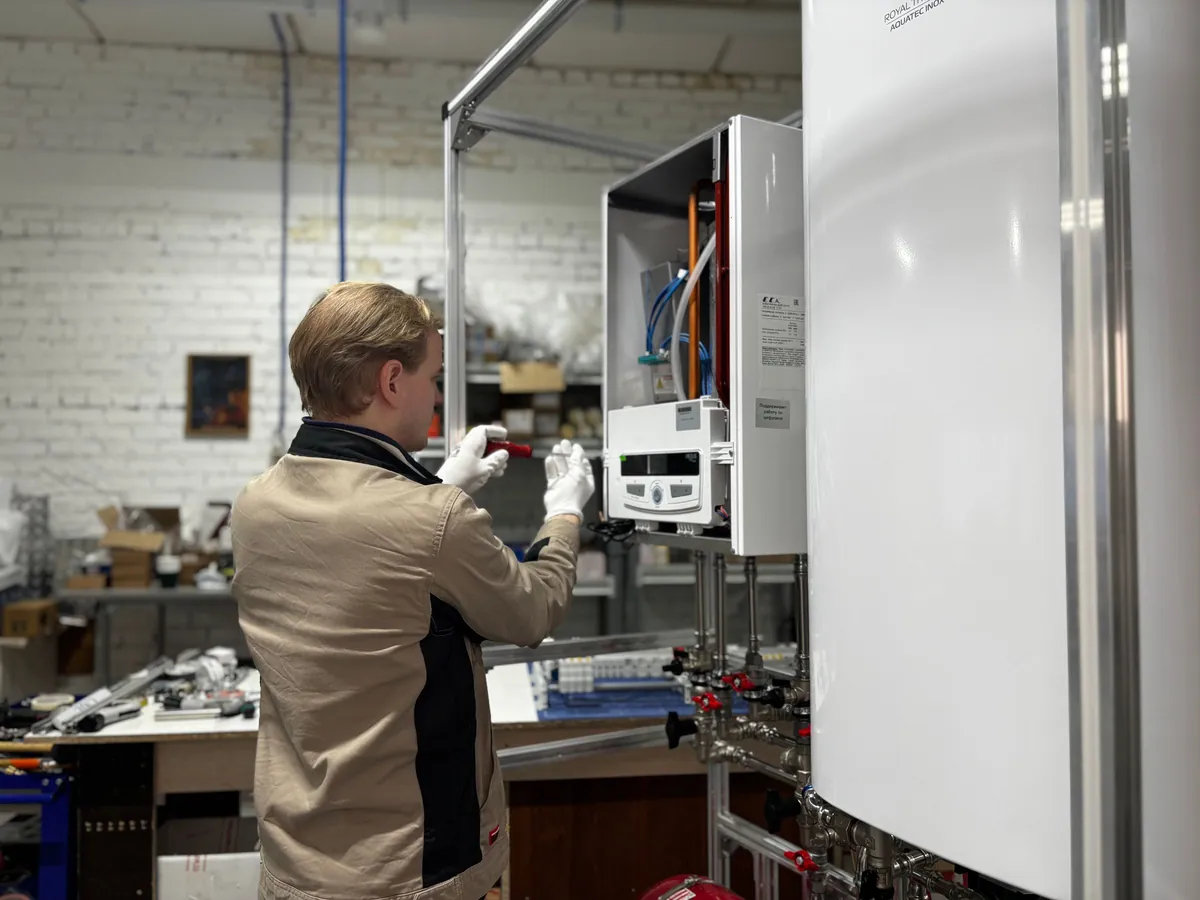
Boiler Installation
A new boiler sized to the house rather than to the old one, with the system flushed, the controls set up and the paperwork registered when it is done.
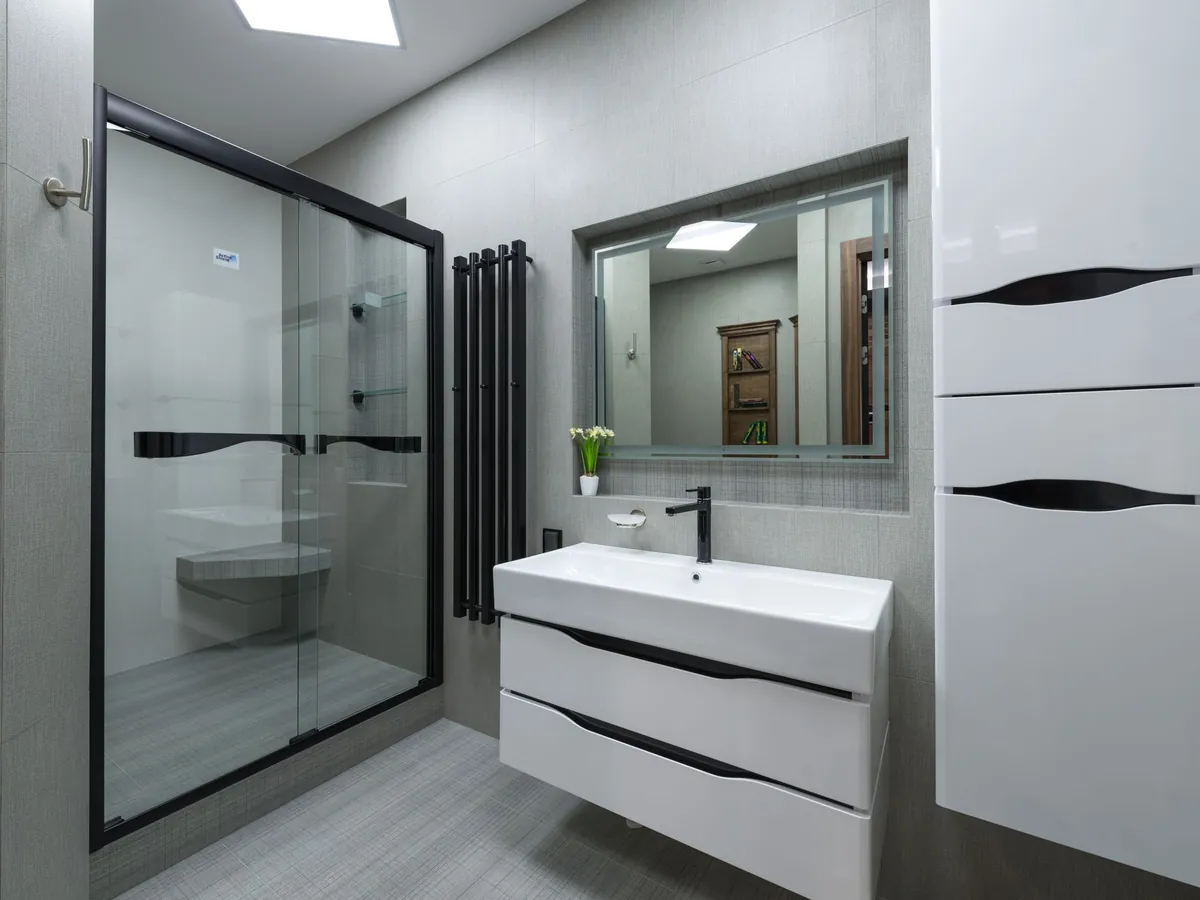
Bathroom Installation
Full bathroom fitting from the first-fix plumbing to the last bead of silicone: showers, baths, wet rooms, tiling and the electrics that go with them.
Plumber
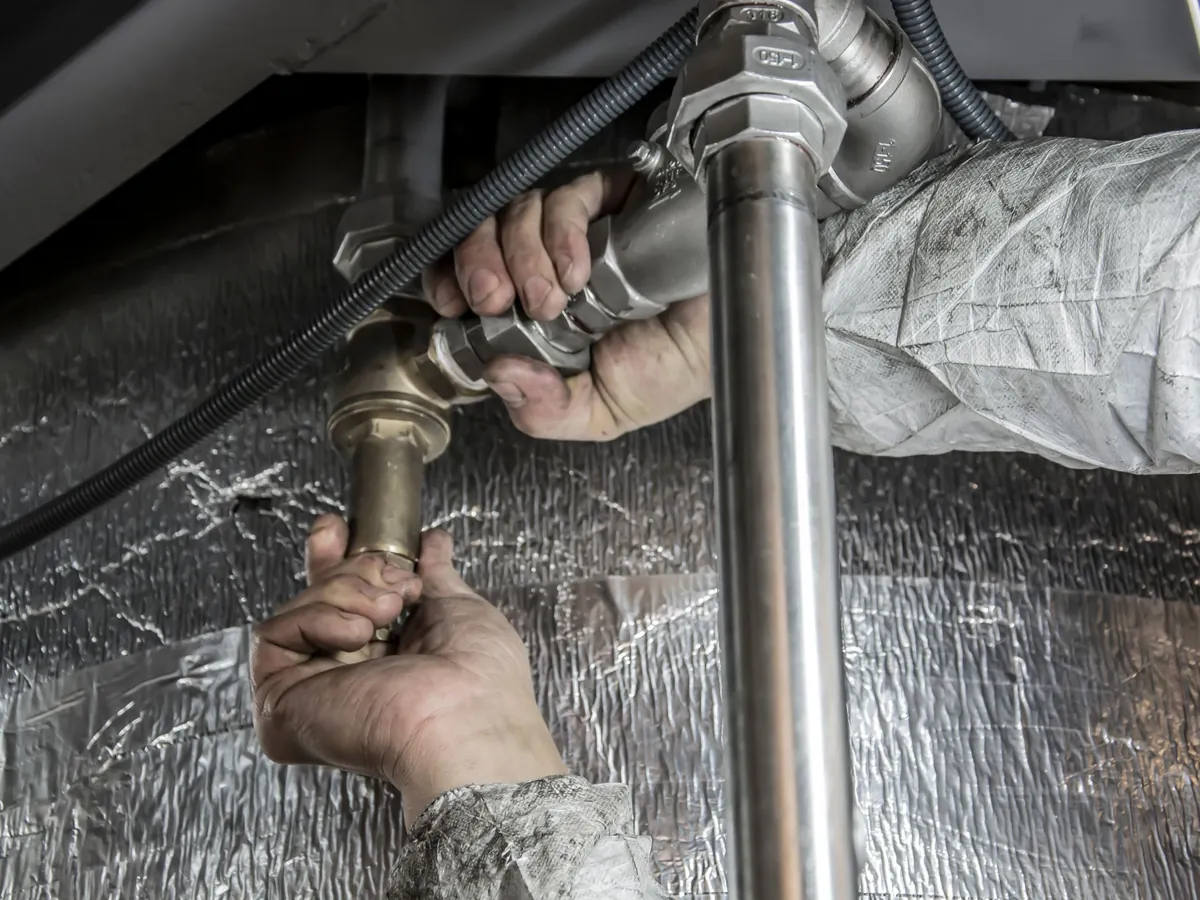
Taps, toilets, showers, stopcocks, outside taps and the small jobs that turn into big ones when they are left. A plumber for Norwich homes, booked by the job.
Questions
Hot Water Cylinder: the questions people ask first
Can my house have an unvented cylinder?
If the mains supply has enough flow and pressure, and there is a route for the discharge pipe, usually yes. Both are tested at the survey. Older lead or narrow supply pipes sometimes rule it out until they are replaced.
How long does a cylinder last?
A good stainless steel unvented cylinder can last decades. Copper vented cylinders in hard-water areas often go sooner because the coil scales through. Servicing extends both.
Does an unvented cylinder need servicing every year?
Yes. The safety devices are what make it safe, and the manufacturers require an annual check to keep the guarantee. It is a short visit and can be combined with the boiler service.
What size cylinder do we need?
It depends on the household and its habits more than the number of bedrooms. A family that showers in a row in the morning needs a bigger store or a faster recovery than one that baths in the evening. The survey works it out.
Can I keep the loft tank and just change the cylinder?
Yes, with a like-for-like vented replacement. The pressure at the taps stays as it is. If the pressure is the complaint, an unvented cylinder or a shower pump is the answer, not a new vented cylinder.
The immersion heater trips the electrics. What is wrong?
Most often the element has failed, frequently because scale has built up on it. Replacing the element and its thermostat is a routine job and far cheaper than a cylinder.
Anything not covered here is answered on the contact page, where the same form takes the details and someone calls you back.
Quick Quote Online
Five-star ratedby homeowners and landlords
Tell us about the hot water and we will price the fix
The type of cylinder if you know it, what the boiler is, the number of bathrooms and what the hot water is doing. The call back arranges the visit.
- A written price before any work starts
- Plumbing, heating, drains and bathrooms from one enquiry
- Norwich and every town within twenty miles