Emergencies
Frozen and burst pipes: the first ten minutes, finding your stopcock, and stopping it happening again
Norfolk winters are not the coldest in the country, but a north-easterly off the sea and a pipe in an unheated loft are all it takes. What to do in the first ten minutes decides whether you are mopping a floor or replacing a ceiling.
Five-star ratedby homeowners and landlords
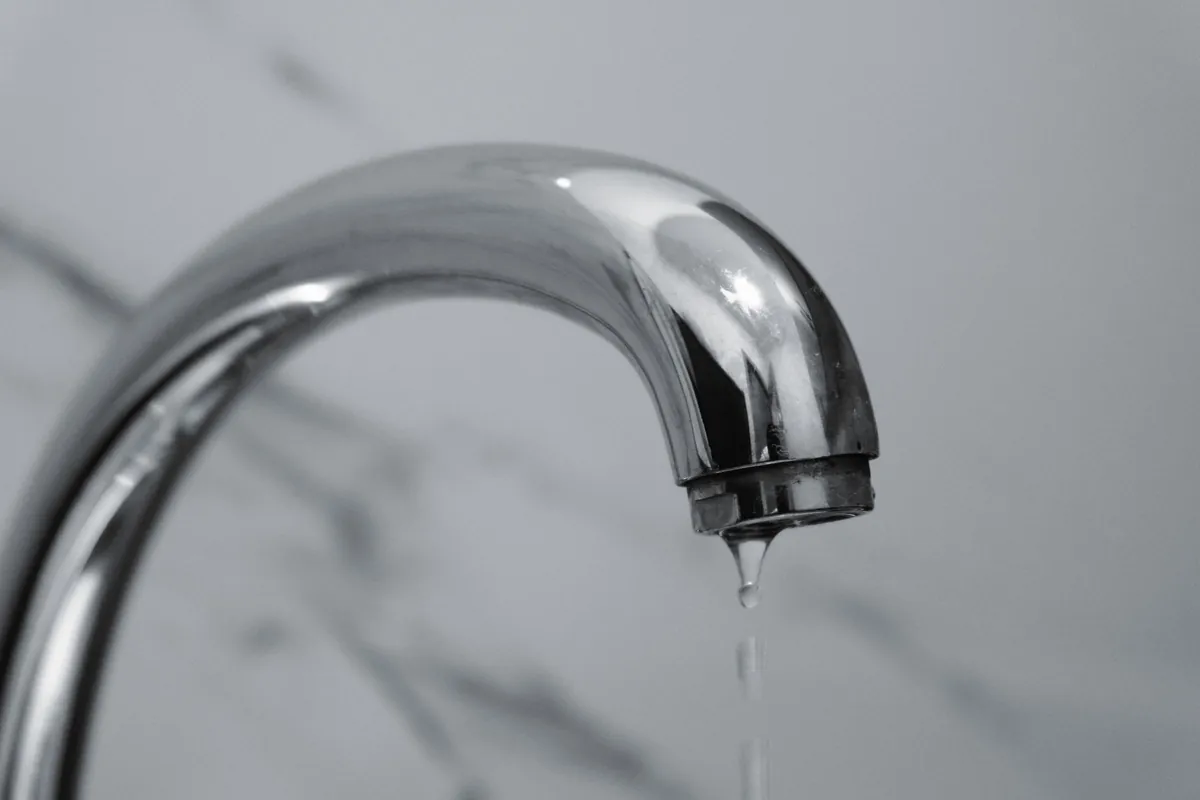
Every winter, the same call comes in from the same kind of house: a bungalow or a semi with the water tank in the loft, a cold snap, and one morning there is water coming through the landing ceiling. The pipe froze overnight, the ice expanded and split the copper, and when the thaw came the split opened up.
A mains-pressure leak puts out a surprising amount of water. Knowing where the stopcock is and getting to it fast is the difference between a wet carpet and a collapsed ceiling. This guide covers those first minutes, how to thaw a pipe that has frozen but not yet burst, and the handful of cheap things that stop it happening next year.
Find your stopcock now, not when the ceiling is dripping
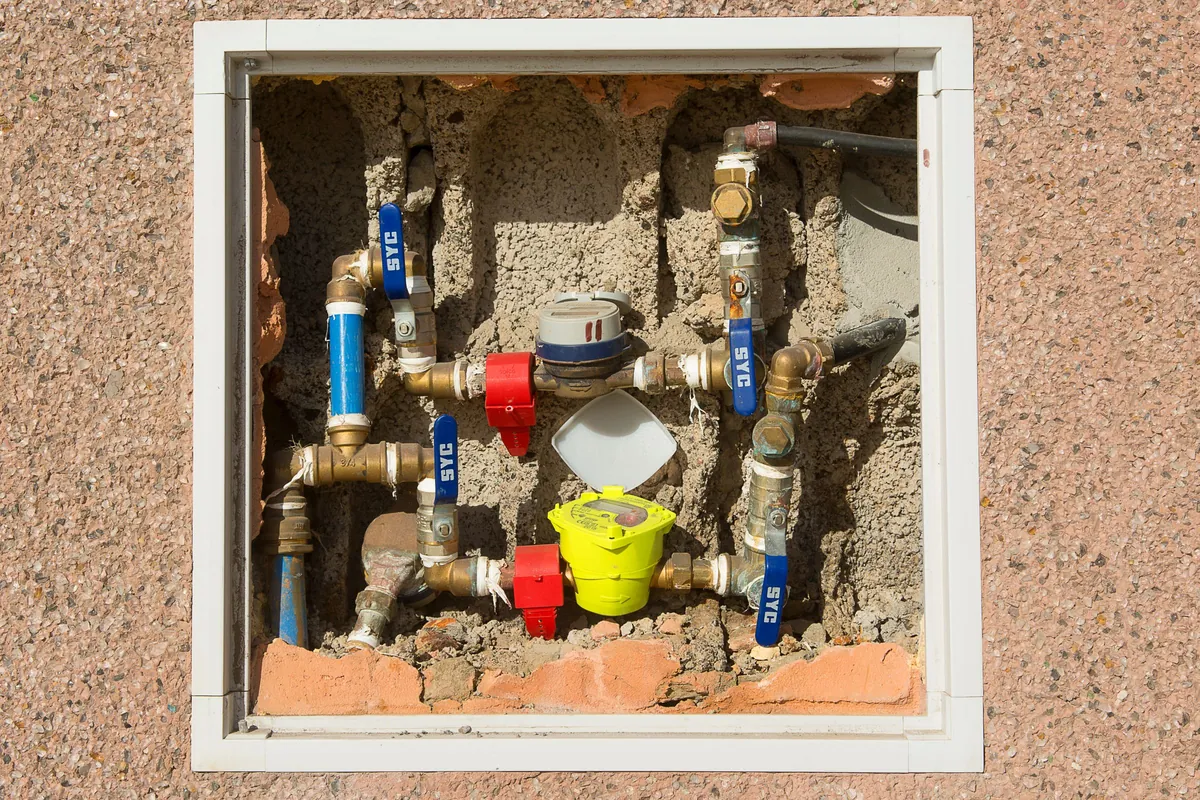
The internal stopcock is the tap that shuts off the cold water main to the whole house. In most Norwich homes it is under the kitchen sink, but it can be in a downstairs toilet, a cupboard by the front door, under the stairs or, in some older terraces, under a floorboard in the hall. Go and find it today. Turn it clockwise until it stops, check that the kitchen cold tap runs dry, then turn it back on.
If it is stiff, work it gently back and forth a few times; do not force it with a wrench, because an old stopcock that snaps off is a far bigger emergency than the one you were preparing for. If it will not move at all, or it turns but the water keeps running, that needs replacing before winter and is a quick job for a plumber.
There is also an external stop valve under a small cover in the pavement or the front garden, usually near the boundary. That is the water company's, but you are allowed to use it in an emergency if the internal one fails. A long stopcock key from a hardware shop reaches it.

The first ten minutes when a pipe has burst
- Turn off the stopcock. Clockwise, all the way. This stops the mains feeding the leak.
- Open the cold taps. Every cold tap in the house, starting with the lowest. This drains the pipework so what is left in the pipes comes out of the taps rather than the split.
- Turn off the boiler or immersion heater. If the leak is on a hot pipe, or if you are draining the system, the heater must not run dry. Switch off at the fused spur or the boiler's own switch.
- Turn off the electrics if water is near them. Water through a ceiling with a light fitting in it means the circuit goes off at the consumer unit before anyone touches the switch.
- Catch what you can. Buckets under the drip, a nail or a screwdriver through the bulge in the ceiling to let the water out in one place rather than bringing the plasterboard down.
- Then call. Once the water is off, the emergency is over and the repair can be arranged. An emergency plumber is for the leak you cannot stop, not the one you have already isolated.
Do not turn the stopcock back on to "see if it has stopped". It has not.
A pipe that has frozen but not burst
If a tap has stopped running on a freezing morning and there is no leak, the pipe has frozen somewhere between the main and that tap. This is the moment to act, because the split usually happens as the ice thaws and moves.
Turn the stopcock off first, then open the affected tap so that when the ice melts the water has somewhere to go. Find the frozen section: it is usually where the pipe runs through an unheated space, a loft, a garage, an outside wall, or under a suspended floor with an air brick nearby. Warm it slowly with a hairdryer, a hot water bottle or towels soaked in warm water, starting at the tap end and working back towards the main.
Never use a blowtorch, a heat gun on full or anything with a flame. Copper conducts heat fast enough to melt a soldered joint or set fire to a joist, and a pipe thawed too quickly is more likely to split. If you cannot find or reach the frozen section, leave the stopcock off, keep the house warm and let it thaw on its own with the tap open.
Why it happens in the houses it happens in
Three types of house account for most of the winter calls around Norwich.
- Bungalows and older semis with a loft tank. The cold tank and the pipes feeding it sit above the insulation, in air that can be well below freezing on a clear night. Insulating the loft floor well makes this worse, not better, because less heat reaches the tank.
- Houses with an outside tap on an uninsulated pipe. The short run through the wall to the tap freezes first, and the split is often inside the wall where it is not noticed until the thaw.
- Empty houses. A rental between tenants, a holiday let on the coast out of season, or a house whose owners are away with the heating off. With no heat at all, every pipe is at risk.
In every case the pattern is the same: a pipe in an unheated space, a still cold night, and no water moving through it.
Stopping it next winter
The fixes are cheap and mostly a Saturday afternoon.
- Lag every pipe in the loft with foam pipe insulation, including the overflow and the feed to the tank, and fit an insulated jacket to the cold tank with the lid on. Leave the loft hatch insulation off the area directly under the tank so a little heat from the house reaches it.
- Fit an isolating valve inside on the pipe to the outside tap, turn it off in November and open the outside tap to drain it. Or fit an insulated cover over the tap.
- Keep the heating on low when the house is empty in winter, or set the frost protection on the thermostat. A programmable thermostat set to 8 to 10 degrees costs less over a week than one repair.
- Fix the drips. A dripping overflow or a weeping joint in the loft freezes into a solid plug far faster than a full pipe.
- Know the stopcock, and tell whoever is looking after the house where it is.
If a pipe has frozen once, it will freeze again in the same place. That is the run to lag first, or to re-route through a heated part of the house.
After the leak: drying out and what to check
Once the pipe is repaired and the water is back on, the job is not quite finished. Lift wet carpet and underlay so the floor beneath can dry; a floor left wet under carpet for a fortnight grows mould and lifts chipboard. Open the loft hatch and any cupboards the water passed through. A dehumidifier hired for a week is money well spent on a plastered ceiling.
Check the ceiling below the leak for sagging plasterboard; if it has bowed it will not go back and needs replacing before it comes down on its own. Check that the boiler pressure has been restored if the leak was on the heating side, and bleed any radiators that took in air.
Finally, photograph everything before it is cleared up. Most home insurance covers escape of water, and the photos of the split pipe, the wet ceiling and the ruined carpet are what the claim rests on. Keep the old section of pipe too; the assessor may ask to see it. If you are unsure whether what you are looking at is a burst or a slow leak that has been going for weeks, a leak detection visit settles it, and the report helps with the claim either way.
Questions people ask
How much water does a burst pipe let out?
A 15 mm copper pipe at mains pressure can pass several hundred litres an hour through a split. An hour unattended is enough to bring down a ceiling, which is why the stopcock matters more than anything else.
Should I turn the heating off if a pipe has frozen?
No, unless the frozen or burst pipe is on the heating circuit itself. Keeping the house warm helps the pipe thaw and stops others freezing. Turn the boiler off only if you are draining the system or the leak is on a heating pipe.
Can I repair a burst pipe myself?
A push-fit repair coupling on a straight, accessible section of copper is within reach of a confident DIYer, and it will hold. A split inside a wall, at a joint, or on a pipe you cannot reach both sides of is a job for a plumber.
Is a frozen condensate pipe the same problem?
It is related. A boiler's condensate pipe runs outside to a drain and freezes in the same weather, which shuts the boiler down with a fault code rather than causing a leak. Pour warm, not boiling, water along it and the boiler usually restarts. Lagging it or re-routing it inside stops it recurring.
What if the stopcock will not turn?
Use the external stop valve at the boundary if you have a key for it, and if not, call for help straight away. Then have the internal stopcock replaced with a modern lever valve before next winter.
If the guide has not settled it, the contact page takes the details and someone calls back to arrange a look. The rest of the guides are in the resources archive.
What readers of these guides say once the job is done
Related
The services this guide points to
One visit often covers two of these. Mention both on the form and the price covers the lot.
247 Emergency Plumber
Burst pipes, water through a ceiling, a boiler down in January or a toilet that will not stop running. Emergency plumbing requests taken day and night.

Leaking Pipes
Weeping joints, pinholed copper, split plastic push-fits and frozen pipes that have thawed and burst. Leaking pipes repaired at the source, not patched over.
Leak Detection
Finding the leak behind a damp patch, a dropping boiler gauge or a water bill that doubled, using tracing methods that do not mean lifting every floor.
Quick Quote Online
Five-star ratedby homeowners and landlords
Tell us what the guide turned up and someone will call you back
What you found, what you have tried, and where you are. The price comes back before the visit is booked.
- A written price before any work starts
- Plumbing, heating, drains and bathrooms from one enquiry
- Norwich and every town within twenty miles