Leak detection in Norwich
A damp patch, a dropping gauge or a water bill that doubled? Find the leak before lifting the floor
Hidden water leak detection for Norwich homes: heating pipework, supply pipes, bathrooms and flat roofs traced with pressure testing, thermal imaging and acoustic methods, then repaired and written up for an insurance claim if there is one.
Five-star ratedby homeowners and landlords
- Traced without wrecking the house
- Heating, supply and waste leaks
- Reports for insurance

What Norwich households say once the leak has been found
Some leaks announce themselves. A hidden leak does not: it shows as a damp patch that comes and goes, a boiler that needs topping up every week, a musty smell under the stairs, a water meter that turns when every tap is off, or a bill that has doubled with no change in habits. By the time it is visible, the water has usually been running for months.
The old approach was to lift floors and open walls until the pipe was found. The current one is to narrow the search first, with a pressure test to prove which circuit is leaking, thermal imaging to see the warm or cold track of the water, acoustic listening on supply pipes, and a tracer gas where the pipe is buried in a solid floor. Then one hole is made in the right place.
This page covers finding a leak that cannot be seen. If the leak is visible, a dripping joint or a split pipe you can point to, the leaking pipe repair page is the right one. A leak that turns out to be a blocked or cracked drain is handed on to the drainage work. Leak tracing is available across every town on the areas list.
Hidden leak detection
The first job is to decide which system the water is coming from, because each has its own signature. A heating leak shows as pressure loss on the boiler gauge and often as a warm patch on a floor. A supply leak shows on the water meter with every outlet closed and is often audible on the pipe. A waste leak only appears when a particular fitting is used. A leak from outside, a roof, a gutter or a flat roof, follows the weather. A short conversation on the form narrows it before the visit.
Signs of a hidden leak
- Boiler pressure dropping repeatedly with no visible drip.
- A damp or discoloured patch on a ceiling, wall or floor that does not dry out.
- Skirting boards lifting, laminate swelling, tiles sounding hollow.
- A warm spot on a floor with no radiator or pipe visible.
- The water meter moving when every tap and appliance is off.
- A musty smell, mould in a corner, or a cupboard that is always cold and damp.
- A water bill that has jumped for no reason.
- Reduced pressure at the taps, or the sound of running water when nothing is running.
Non-invasive leak location methods
Pressure testing isolates each circuit in turn and watches whether it holds. It proves which pipework is leaking before anyone looks for where. Thermal imaging shows the temperature difference where warm heating water or cold mains water is soaking a floor or wall, and traces the route of hidden pipes. Acoustic listening picks up the sound of water escaping under pressure through a floor or a wall. Tracer gas is introduced into a drained pipe and detected at the surface where it escapes, which finds a leak in a pipe buried in concrete. Moisture mapping with a meter shows how far the water has spread and where it is wettest, which points back to the source.
Leak investigation and trace and access reports
Most home insurance policies include cover for the cost of finding a leak and putting the property back as it was, often called trace and access. What the insurer needs is a report that says how the leak was found, where it was, what was disturbed to reach it and what was repaired, with photographs. That report is written as part of the job, and it also records what did not need disturbing, which is the point of finding the leak first.
Leak repairs and reinstatement
Once located, the leak is repaired on the same visit where access allows: a section of pipe replaced, a joint remade, a fitting swapped. Where the pipe is in a solid floor the section is cut out and re-run, sometimes above the floor, so the same fault cannot recur under the concrete. Making good, the floor, the plaster, the tiles, is either done as part of the job or left for your own trades, as you prefer; the report describes what was opened either way.
Damp, moisture and water ingress checks
Not every damp patch is a plumbing leak. Rising damp, a bridged damp course, a leaking gutter or a cracked render can all look like one. Part of the investigation is ruling these out, because the fix for a leaking gutter is not a plumber. When the cause is outside the plumbing, you are told what it is and what kind of trade deals with it, and you are not charged for a repair that would not have worked.
Emergency call-outs
A hidden leak that has become a visible one, water through a ceiling or a floor suddenly wet, is an emergency in the ordinary way: stopcock off, taps open, boiler off if the leak is on the heating, form sent and marked urgent. The leak is found and the property made safe on the first visit, with the full repair and the report following as needed.
Reports for insurance and written estimates
Leak detection is priced as a visit with the methods above, agreed on the call back. The repair is priced once the leak is found. Where an insurance claim is likely, the report and the invoice are written in the terms the insurer expects, and an estimate for the reinstatement can be provided for the claim. Photographs of the leak before and after the repair go with it.
How a job runs
How a leak is traced
Which system, which circuit, which metre of pipe, then one hole.
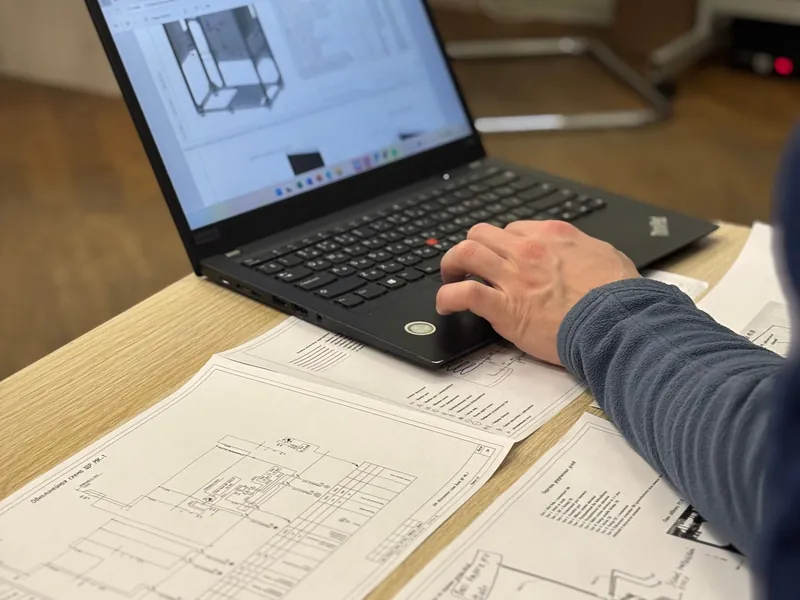
Symptoms narrowed
When the damp appears, whether the boiler gauge drops, whether the meter moves. That decides which tests come first.
Prove the circuit
Pressure tests isolate heating, hot, cold and waste in turn until the leaking one is proved.
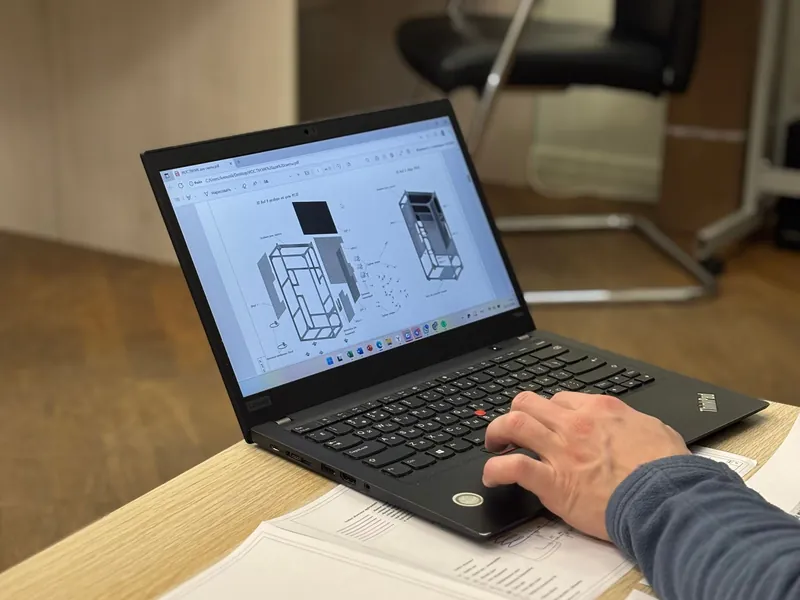
Locate the point
Thermal imaging, acoustic listening, tracer gas or moisture mapping narrow it to a spot, and one opening is made there.
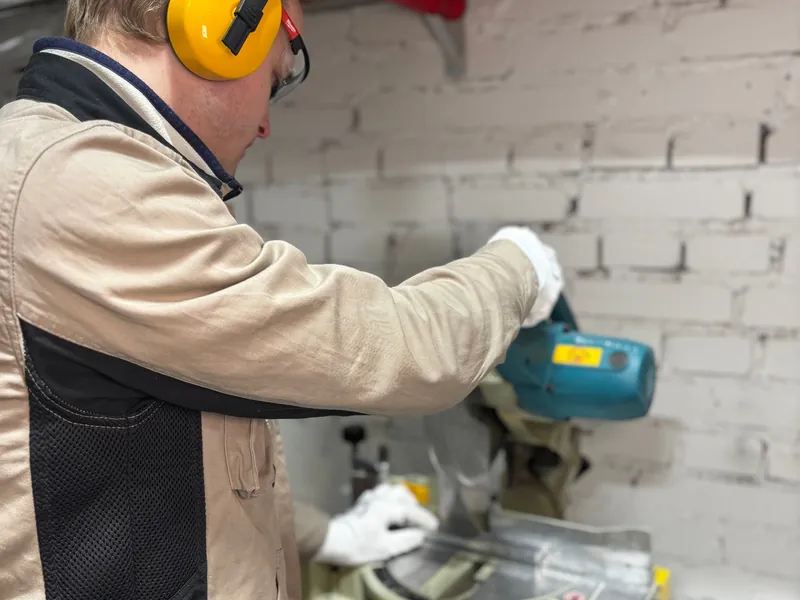
Repair and report
The leak repaired, the opening described, photographs taken and the report written for you or your insurer.
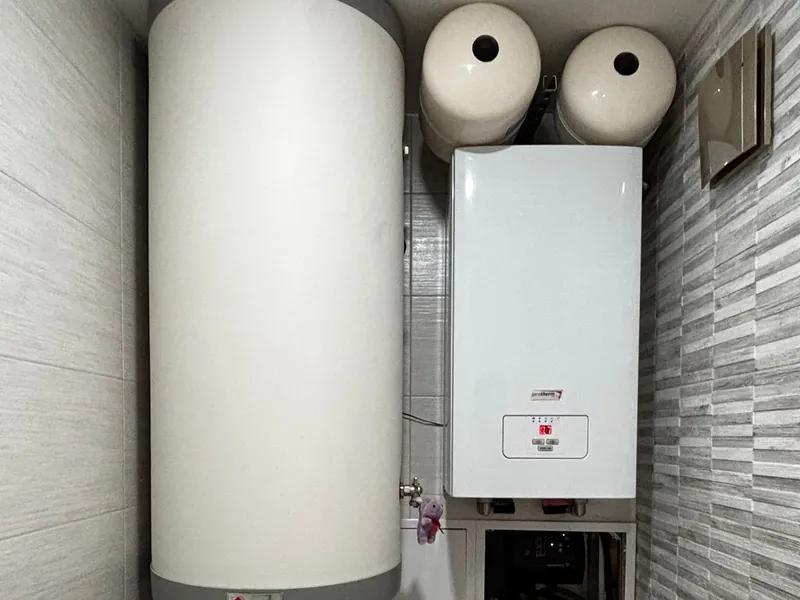
Ready when you are
Damp that keeps coming back, or a boiler that keeps losing pressure?
Describe what you are seeing and when. You get a call back to arrange the investigation and the price for it.
On the tools
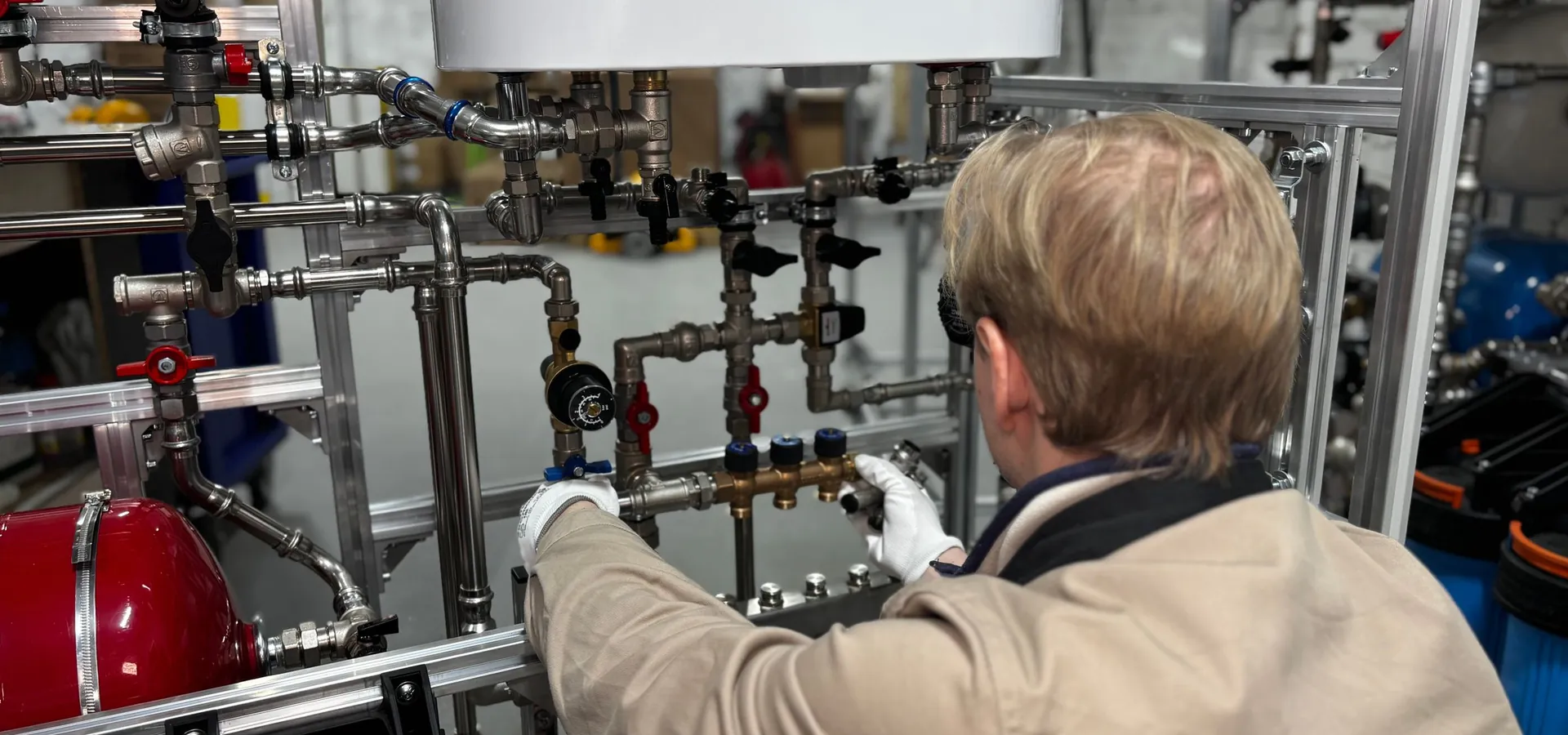
Leak Detection: the kind of work behind the page
Four from the gallery. The full set is on the home page, and every photo opens full size.
Where we work
Leak detection across Norwich and the surrounding towns
Solid-floored terraces in the city, suspended floors in the older villages, flats where the leak is from the property above. Every town within twenty miles.
The larger towns in the area
- Norwich
- Great Yarmouth
- Bowthorpe
- East Dereham
- Beccles
- North Walsham
- Diss
- Attleborough
Related
Jobs that often go with this one
One visit often covers two of these. Mention both on the form and the price covers the lot.

Leaking Pipes
Weeping joints, pinholed copper, split plastic push-fits and frozen pipes that have thawed and burst. Leaking pipes repaired at the source, not patched over.
Drain Unblocking
Blocked sinks, toilets, showers and outside gullies cleared with rods, jetting or a CCTV camera when the cause is not obvious from the top.

247 Emergency Plumber
Burst pipes, water through a ceiling, a boiler down in January or a toilet that will not stop running. Emergency plumbing requests taken day and night.
Questions
Leak Detection: the questions people ask first
Will you have to lift my floor?
The aim is to open one place, at the leak, after the tests have found it. A whole floor comes up only when the pipe run itself has to be replaced, and that is discussed before it is done.
How do I know if the leak is on the heating or the mains?
If the boiler pressure gauge drops over days, it is the heating. If the water meter moves with every tap off, it is the mains. If neither, it is a waste pipe or something outside the plumbing. The tests confirm it.
Does insurance cover finding a leak?
Many policies include trace and access cover for locating a leak and reinstating what was disturbed. The report from the visit is what the claim is based on. Check your policy wording for the limit.
Can a leak be under a concrete floor?
Yes, and it is common in houses built after the war with heating pipes buried in the screed. Tracer gas and thermal imaging find it without breaking the floor open on a guess.
The damp is on an outside wall. Is it a leak?
Possibly not. A leaking gutter, a cracked downpipe, failed pointing or a bridged damp course can all cause it. Ruling those out is part of the investigation, and if it is not plumbing you are told which trade it needs.
How long does leak detection take?
Usually a couple of hours for the investigation. A repair that can be done straight away adds to that; one that needs a floor or wall opened may be a return visit.
Anything not covered here is answered on the contact page, where the same form takes the details and someone calls you back.
Quick Quote Online
Five-star ratedby homeowners and landlords
Tell us what the leak is doing and we will arrange the investigation
Where the damp is, whether the boiler gauge drops, whether the meter moves. That is enough to plan the tests and price the visit.
- A written price before any work starts
- Plumbing, heating, drains and bathrooms from one enquiry
- Norwich and every town within twenty miles