Drainage
A blocked drain in an older Norwich house: what to try, when to stop, and what a camera survey actually shows
Roughly a third of Norwich homes are terraces, and many of them still run on the clay drains they were built with. That changes what a blockage means and how it should be tackled.
Five-star ratedby homeowners and landlords
A blocked drain in a new-build is usually a simple thing: a plastic run, a few bends, one house on it, and whatever went down the sink last week sitting in a trap. A blocked drain in a bay-fronted terrace off Unthank Road or in the Golden Triangle is a different animal. The pipework under the yard may be well over a hundred years old, it may be shared with next door, and the cause is as likely to be a root or a collapsed joint as a lump of fat.
This guide is for anyone in one of those older Norwich homes standing over a gully that is backing up and wondering what to do. It covers what you can safely try yourself, the point at which trying harder makes things worse, and what a drain camera survey really tells you.
How the drains under an older terrace are laid out
Most Victorian and Edwardian terraces in Norwich were built with salt-glazed clay drains laid in short sections with mortar joints. Waste from the kitchen and bathroom drops into an outside gully, runs along the back of the house to an inspection chamber, then joins a run that often serves several houses before reaching the sewer under the road.
Two things follow from that. First, a blockage may not be under your house at all: if the neighbours' waste passes under your yard on its way out, their problem can become yours. Second, clay joints move. A century of ground settlement, tree roots and traffic vibration leaves joints displaced or cracked, and those are the places where roots get in and paper snags.
Over the years many of these runs have been partly replaced in plastic, so it is common to find a modern section joined to an original one. The junction between the two is another classic snagging point.
Working out where the blockage is
Before touching anything, answer three questions.
- Is it one fitting or several? A single slow sink is a local blockage in the trap or the branch pipe. A sink, bath and outside gully all backing up together means the blockage is downstream of where they meet, so in the main run.
- Is the outside chamber full? Lift the manhole cover in the yard (carefully, and with a screwdriver or a proper key). If the chamber is full of standing water the blockage is beyond it, towards the road. If it is empty and flowing, the blockage is between the house and the chamber.
- Is next door affected? If the neighbours are also backing up, the blockage is on the shared section and the responsibility may sit with the water company rather than with either household.
That last point matters. Since the transfer of private sewers to the water companies, a run that serves more than one property is generally the water company's to clear once it leaves the boundary of the last house it serves alone. It is always worth a call to them before paying anyone.
What you can safely try yourself
For a single slow sink or shower, start at the top. Remove the plug or waste cover and pull out whatever hair and soap is sitting in it. Unscrew the trap under a sink with a bowl underneath and clear it by hand; that is where most kitchen blockages live. A plunger with a wet cloth over the overflow works on a sink and on a toilet.
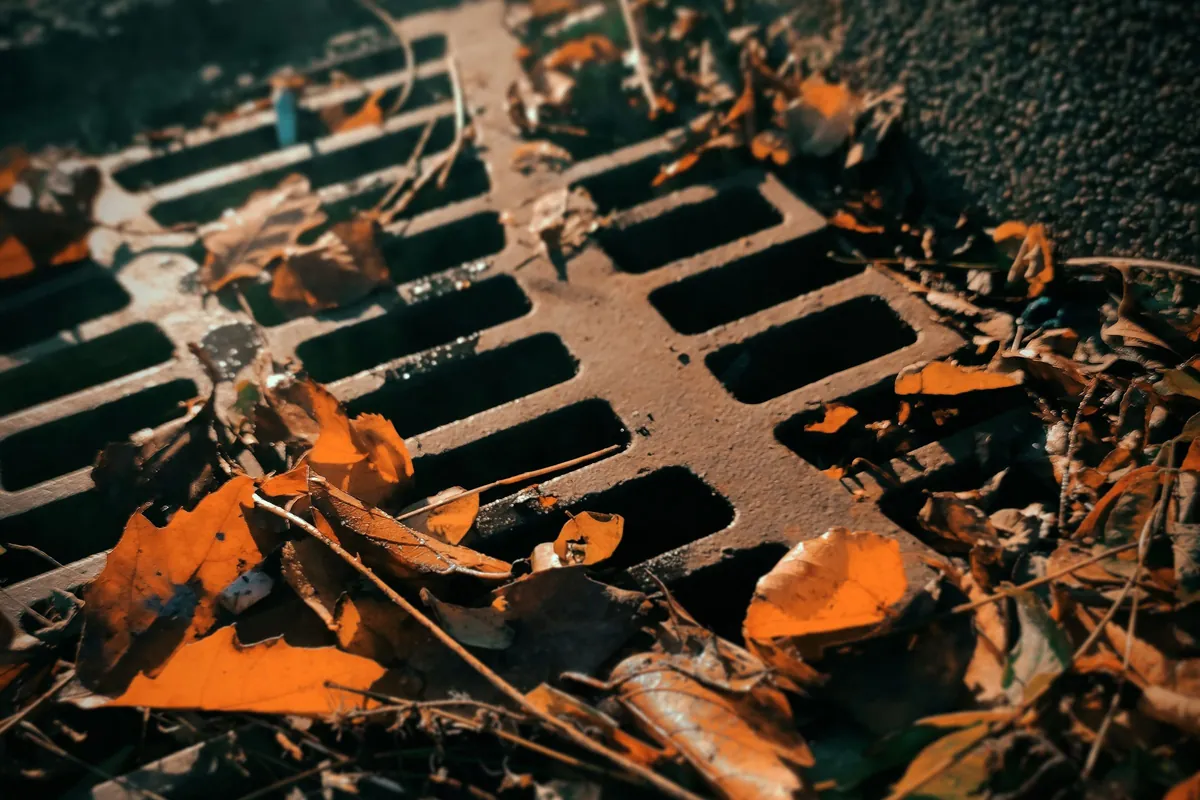
For an outside gully, lift the grate and scoop out the leaves and silt by hand or with a trowel. A gully has its own trap and it fills with debris every autumn.
A bottle of caustic drain cleaner is the one thing to leave on the shelf. On old clay pipework it does very little to a real blockage, it makes the standing water dangerous for whoever eventually rods it, and on a plastic trap it can soften the joints.
Drain rods from a hardware shop can clear a soft blockage from the inspection chamber, pushed towards the blockage and turned clockwise only so the sections do not unscrew and stay in the pipe. Use the plunger head first, the corkscrew second.
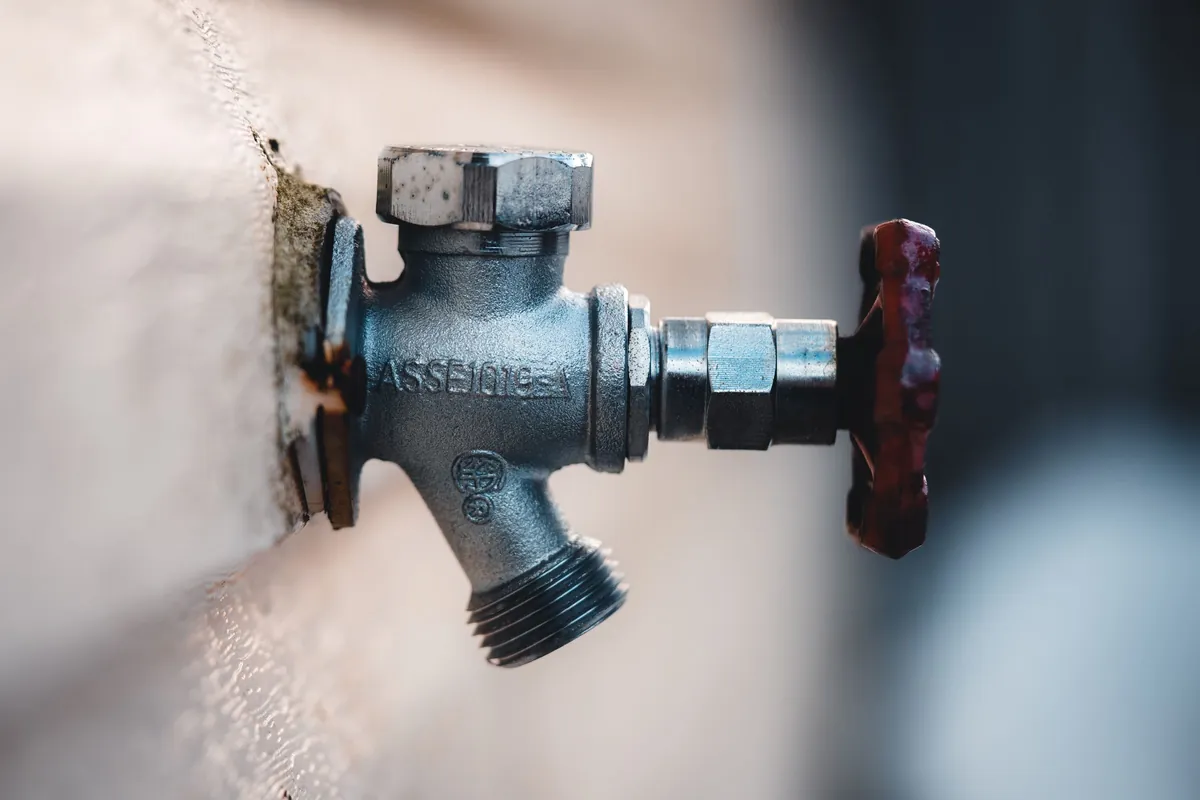
When to stop
Stop when any of these happens.
- The rods meet something solid that does not give. That is a root mass, a collapsed pipe or a displaced joint, and pushing harder will make it worse.
- The blockage clears, then comes back within a few weeks. Something structural is catching debris.
- Water is coming up through a floor drain, a downstairs toilet or the shower tray inside the house. The system is full and the next flush goes on the floor.
- There is a strong smell of sewage in the garden that does not go when the chamber is emptied. That usually means a cracked pipe leaking into the ground.
- You are dealing with a shared run and the neighbours are involved.
At that point a proper drain unblocking visit with a high-pressure jetter and a camera is the sensible next step. Jetting clears what rods cannot, and the camera tells you whether the problem will come back.
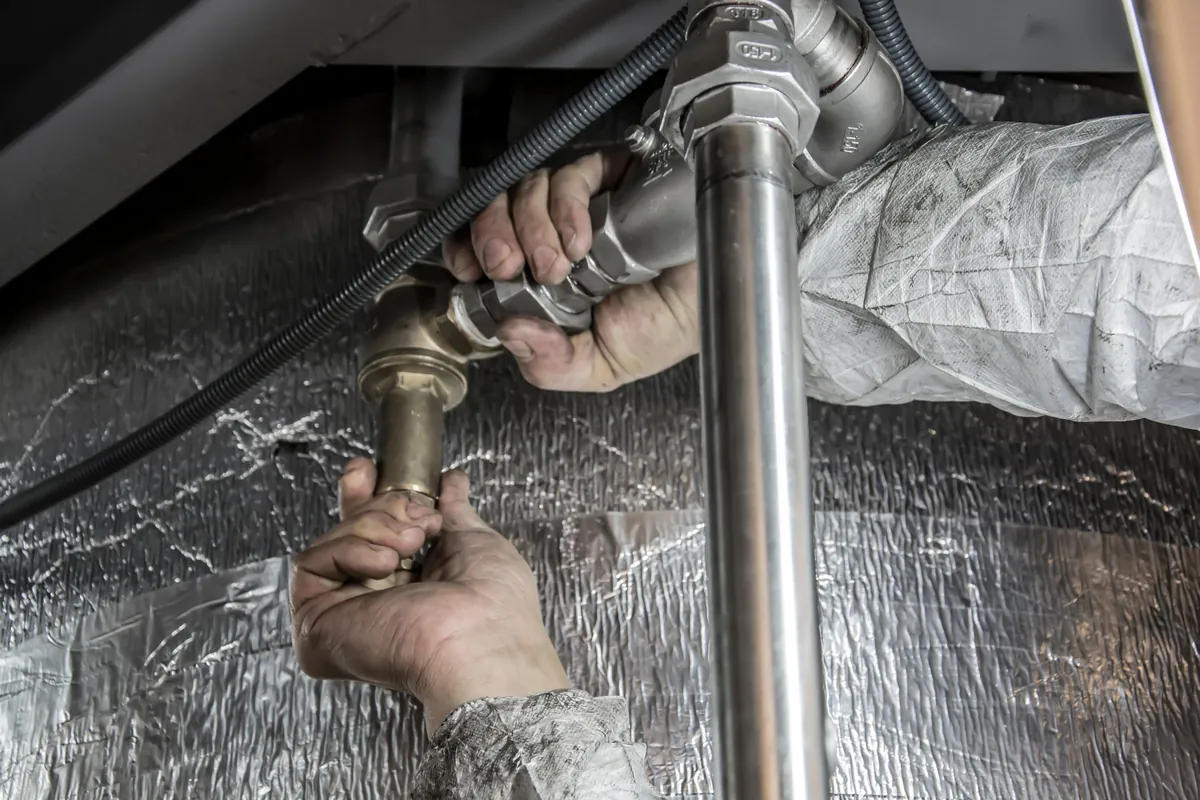
What a camera survey shows, and what it does not
A CCTV drain survey pushes a small camera on a flexible rod along the pipe from the chamber and records what it sees, with the distance shown on screen. On an older run it will typically show one or more of the following.
- Root ingress: fine roots entering at a joint, often from a tree two gardens away.
- Displaced joints: one section sitting higher or lower than the next, leaving a lip that catches paper.
- Cracks and fractures: longitudinal cracks in the crown of the pipe, or a section that has broken and let ground in.
- Scale and fat: a build-up on the pipe wall that narrows the bore.
- Bellies: a low section where water stands and solids settle.
What the survey does not do is fix anything. Its value is in telling you whether the problem is a one-off blockage that jetting has cleared, or a defect that needs a repair: a root cut, a patch liner over a cracked section, or in the worst case an excavation to replace a collapsed length. A written report with the footage is also what an insurer or a buyer's surveyor will ask for, so keep it.
Keeping an old drain clear
Once the drain is clear and any defects are dealt with, a few habits keep it that way. Nothing but water, waste and toilet paper goes down the toilet; wet wipes, even the ones labelled flushable, are the single biggest cause of repeat blockages in shared Victorian runs. Kitchen fat goes in the bin, not the sink. The outside gully gets emptied every autumn before the leaves rot down. And if a survey found roots, a jetting visit every couple of years before they regrow costs a fraction of the excavation that follows if they are left.
If the same fitting keeps blocking despite all that, the fault is upstream of the drain: a badly laid waste pipe with a dip in it, or a plumbing layout that was never right. That is a different job, and a quicker one.
Questions people ask
Who is responsible for a shared drain?
Since private sewers were transferred to the water companies, the section of drain shared between properties, from the point it leaves the last house it serves alone, belongs to the water company. The private drain serving only your house is yours. If in doubt, lift the chamber and see whether next door's waste is passing through it.
Is drain jetting safe on old clay pipes?
Yes, at the right pressure and in the hands of someone who has looked at the pipe first. A camera survey before jetting is the sensible order on a run known to be old or damaged.
How long does a CCTV drain survey take?
An hour or so for a typical terrace, including the report. Longer if there are several chambers or the run has to be jetted first to get the camera through.
Will my insurance pay for a drain repair?
Many home insurance policies cover accidental damage to underground drains, which usually includes collapse and root damage, but rarely wear and tear or blockages themselves. The survey report is what the claim rests on.
Can a blocked drain damage the house?
If it is left, yes. A cracked drain leaking under a solid floor washes out the ground beneath it, and a run that backs up into the house repeatedly soaks floors and skirting. It is a job to deal with in days, not months.
If the guide has not settled it, the contact page takes the details and someone calls back to arrange a look. The rest of the guides are in the resources archive.
What readers of these guides say once the job is done
Related
The services this guide points to
One visit often covers two of these. Mention both on the form and the price covers the lot.
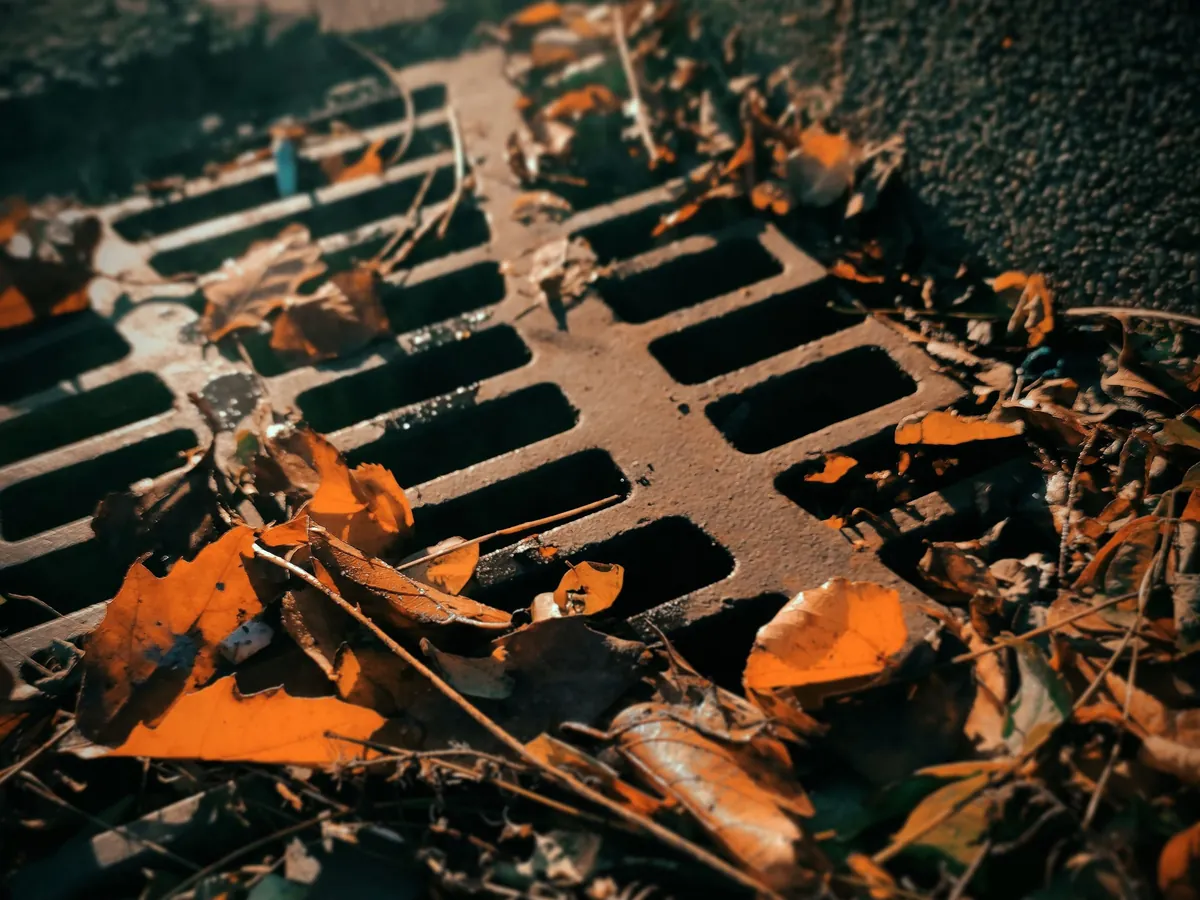
Drain Unblocking
Blocked sinks, toilets, showers and outside gullies cleared with rods, jetting or a CCTV camera when the cause is not obvious from the top.
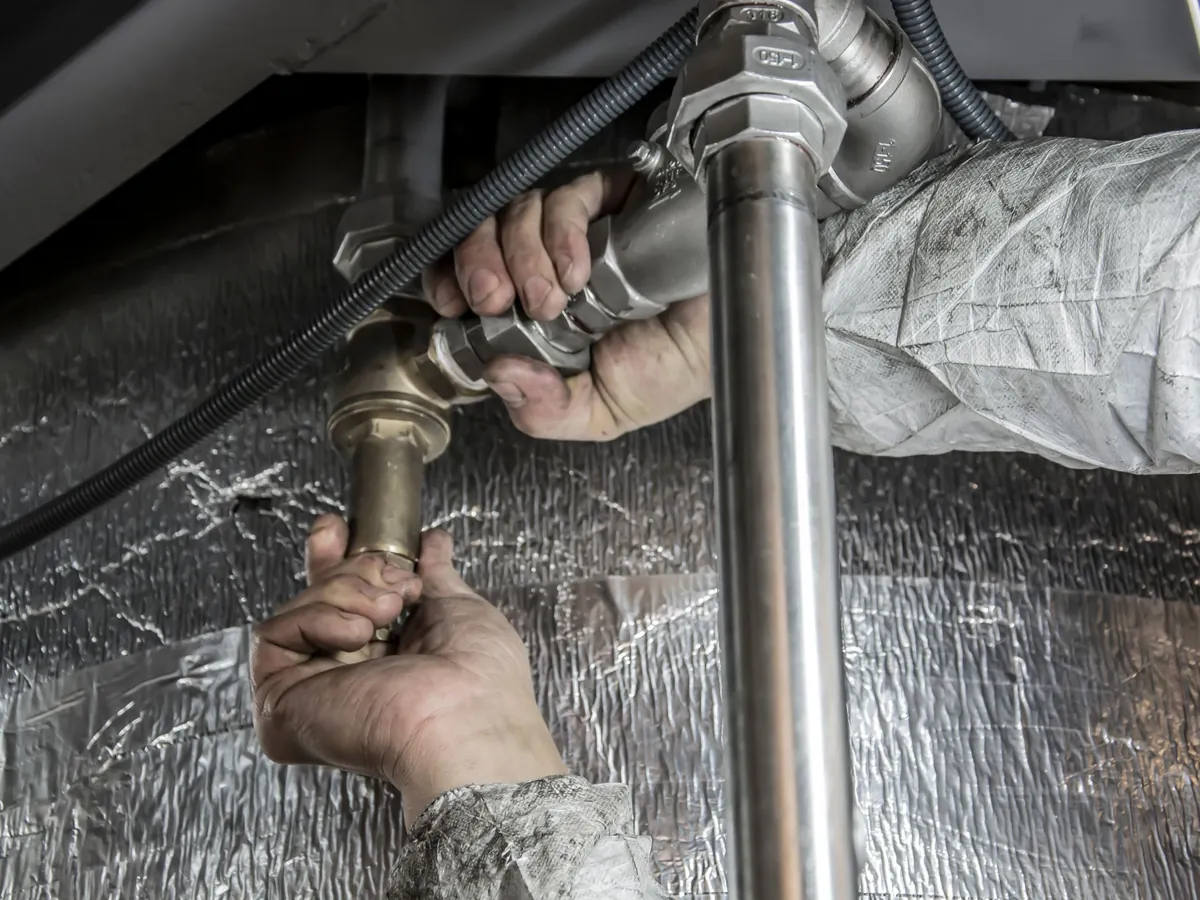
Plumber
Taps, toilets, showers, stopcocks, outside taps and the small jobs that turn into big ones when they are left. A plumber for Norwich homes, booked by the job.

Leak Detection
Finding the leak behind a damp patch, a dropping boiler gauge or a water bill that doubled, using tracing methods that do not mean lifting every floor.
Quick Quote Online
Five-star ratedby homeowners and landlords
Tell us what the guide turned up and someone will call you back
What you found, what you have tried, and where you are. The price comes back before the visit is booked.
- A written price before any work starts
- Plumbing, heating, drains and bathrooms from one enquiry
- Norwich and every town within twenty miles